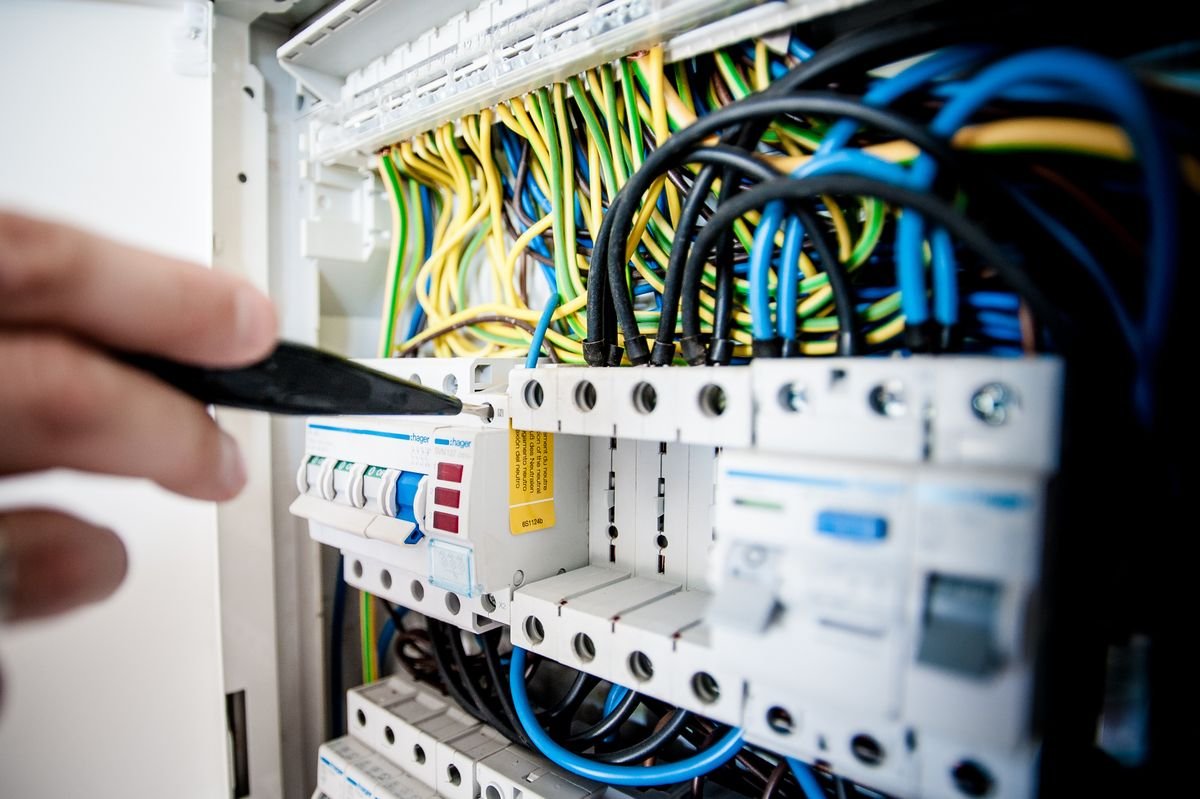
An electrical panel upgrade averaged $1,800 in 2026, with most jobs falling between $800 and $3,000. It is one of the few renovation line items where the cheapest option is often the wrong one — and where doing nothing has a failure mode that is not just inconvenient.
Here is what each amperage costs, what pushes a $1,500 job to $4,000, and how to tell whether your panel is one of the brands that insurers and inspectors treat as a defect on sight.
The 2026 numbers
| Job | Installed cost |
|---|---|
| National average, panel upgrade | $1,800 |
| Typical range | $800 – $3,000 |
| 100 amp panel | $800 – $1,000 |
| 150 amp panel | $1,000 – $1,200 |
| 200 amp panel | $1,500 – $3,000 |
| 400 amp panel | ~$4,000 |
| Replacing an old fuse box | $1,500 – $4,500 |
| Sub-panel installation | $500 – $1,000 |
| Permit | $50 – $350+ |
| Single breaker replacement | $50 – $100 labour |
What amperage do you actually need?
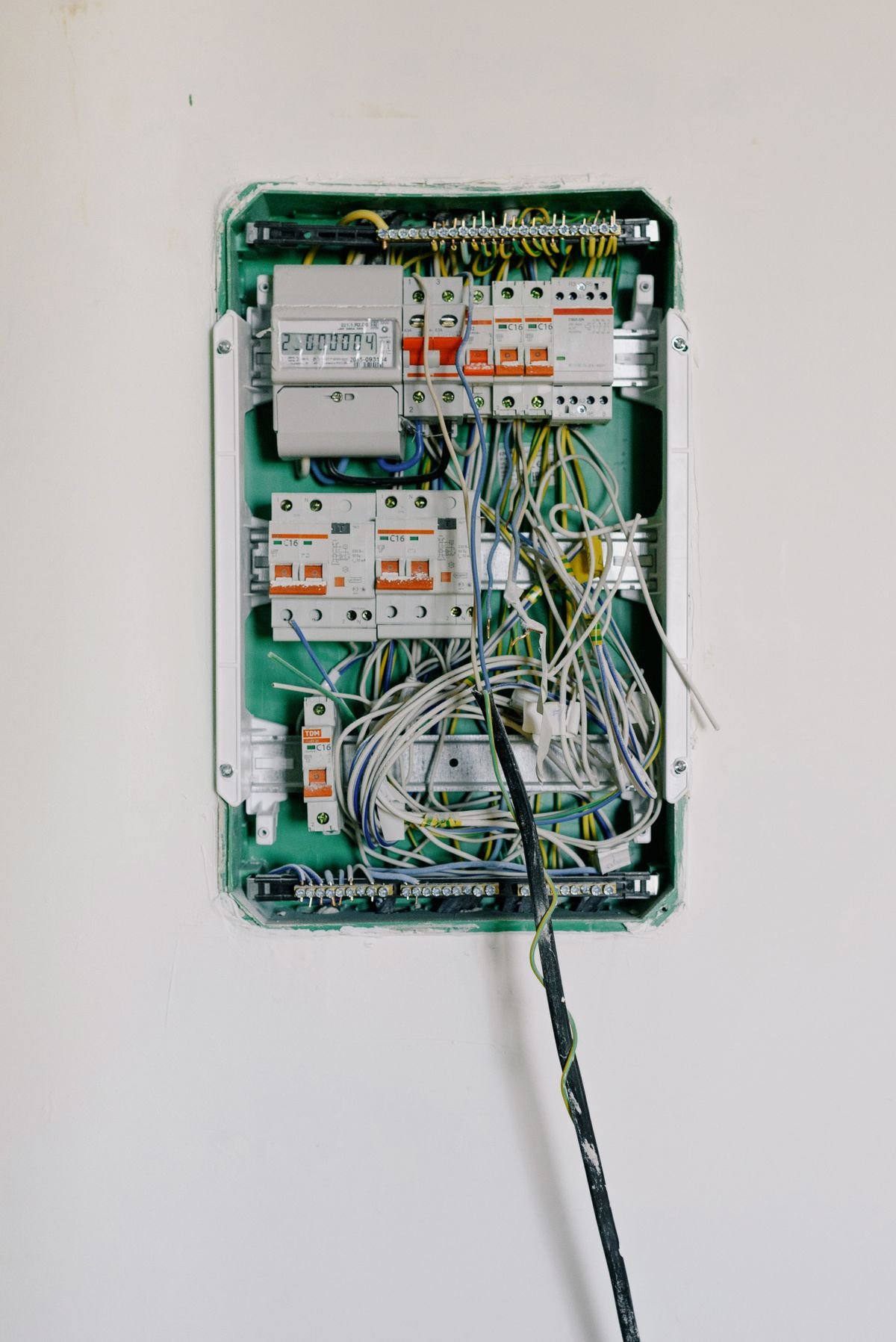
The gap between 150 amp at $1,000–$1,200 and 200 amp at $1,500–$3,000 is real money, and the honest answer is that most houses being upgraded today should go to 200.
- 100 amp — adequate for a small home with gas heat, gas cooking and gas hot water, and no plans to change any of that. It is also increasingly the thing that blocks other projects.
- 150 amp — a compromise that saves a few hundred dollars now and frequently costs thousands later.
- 200 amp — the practical standard. It is what you need if you have or expect electric heat, a heat pump, an EV charger, an electric range, a hot tub, or a workshop.
- 400 amp — large homes, or a house plus a substantial detached workshop or accessory unit. Rare, and roughly $4,000.
Here is the arithmetic that decides it. Upgrading from 100 to 200 amp costs perhaps $700–$2,000 more than going to 150. But an EV charger, a heat pump, or a tankless electric water heater each draw enough that a 150 amp service can run out of headroom — and discovering that after the panel is in means paying for the whole job twice. If you are already opening the service, the marginal cost of capacity is the cheapest it will ever be.
The same logic applies to the heat pump conversion a lot of people are weighing in 2026. That decision and this one belong in the same conversation, not two years apart.
Panel swap vs service upgrade — not the same job
This is the distinction that explains why one quote says $1,400 and another says $3,600 for what sounds like the same work.
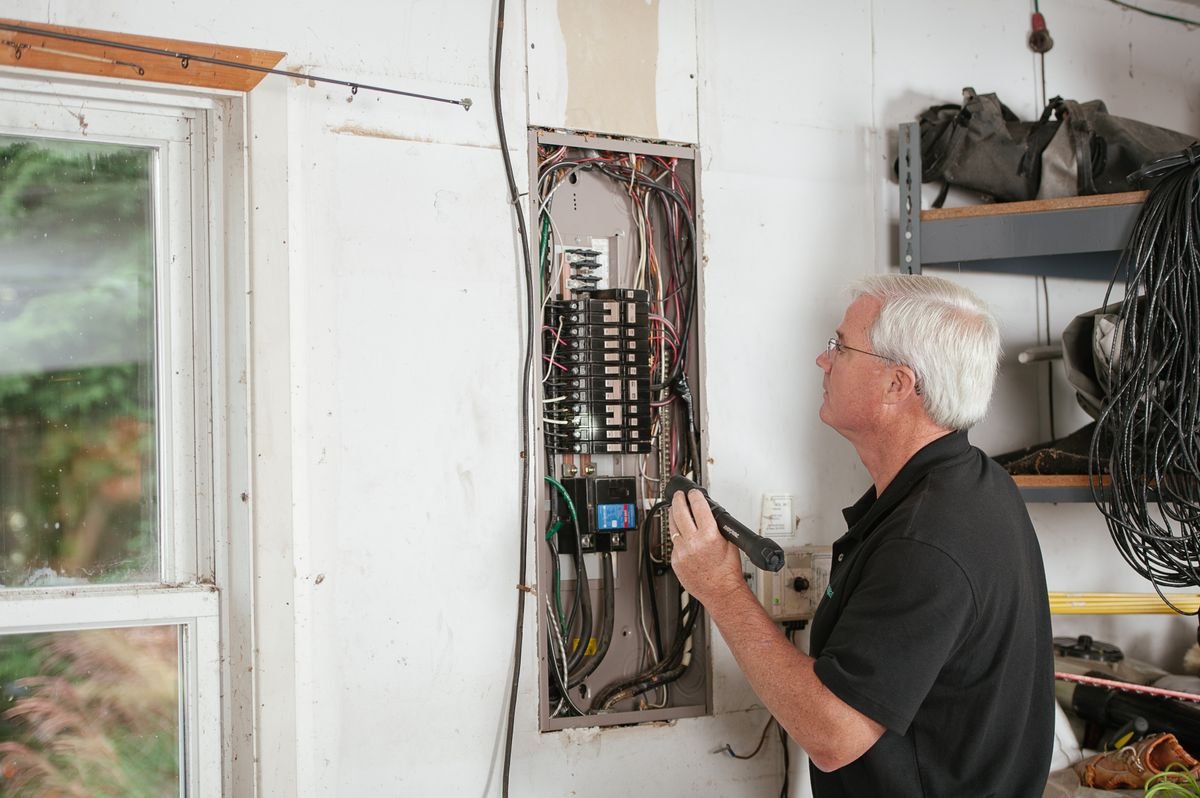
- Panel replacement — the box, breakers and connections are replaced, but the incoming service stays the same size. Faster, cheaper, done in a day.
- Service upgrade — the amperage itself increases. That means the meter base, the service entrance cable, sometimes the mast and weatherhead, and coordination with the utility to disconnect and reconnect. More parts, more trades, and a scheduling dependency you do not control.
If you are going from a 100 amp service to a 200 amp service, that is the second job, not the first. Ask every bidder explicitly which one they have quoted, and whether the utility coordination is theirs or yours. A quote that omits the meter base and service cable on a genuine amperage increase is not cheaper — it is incomplete.
The sub-panel at $500–$1,000 is the option people forget. If your main service has spare capacity and you simply need more breaker slots — a finished basement, a garage workshop, a new circuit or six — a sub-panel is a fraction of a full upgrade and solves the actual problem.
The panels that are a problem by brand
Some panels are replaced not because they are undersized but because of what is written on them. Federal Pacific Stab-Lok, Zinsco and Sylvania-Zinsco panels have a long-documented history of breakers that fail to trip under fault conditions — which is the one thing a breaker exists to do. Challenger panels attract similar scrutiny.
The practical consequences are immediate and financial. Home inspectors flag them. Some insurers decline to write a policy, or price it as though the risk is real. Buyers negotiate on it. If you have one of these panels, replacement is not a capacity upgrade — it is remediation, and it tends to pay for itself at sale rather than showing up as an improvement.
Go and look at the label on your panel door. It takes thirty seconds and it is worth knowing before a buyer’s inspector tells you.
Signs you are past due
- A fuse box rather than breakers. Replacement runs $1,500–$4,500 and is usually overdue.
- Breakers that trip repeatedly on the same circuit. The breaker is doing its job; something upstream of it is asking a question the wiring cannot answer.
- Lights dimming when the AC or a large appliance starts. A capacity symptom.
- No spare slots, or tandem breakers doubled into slots not rated for them.
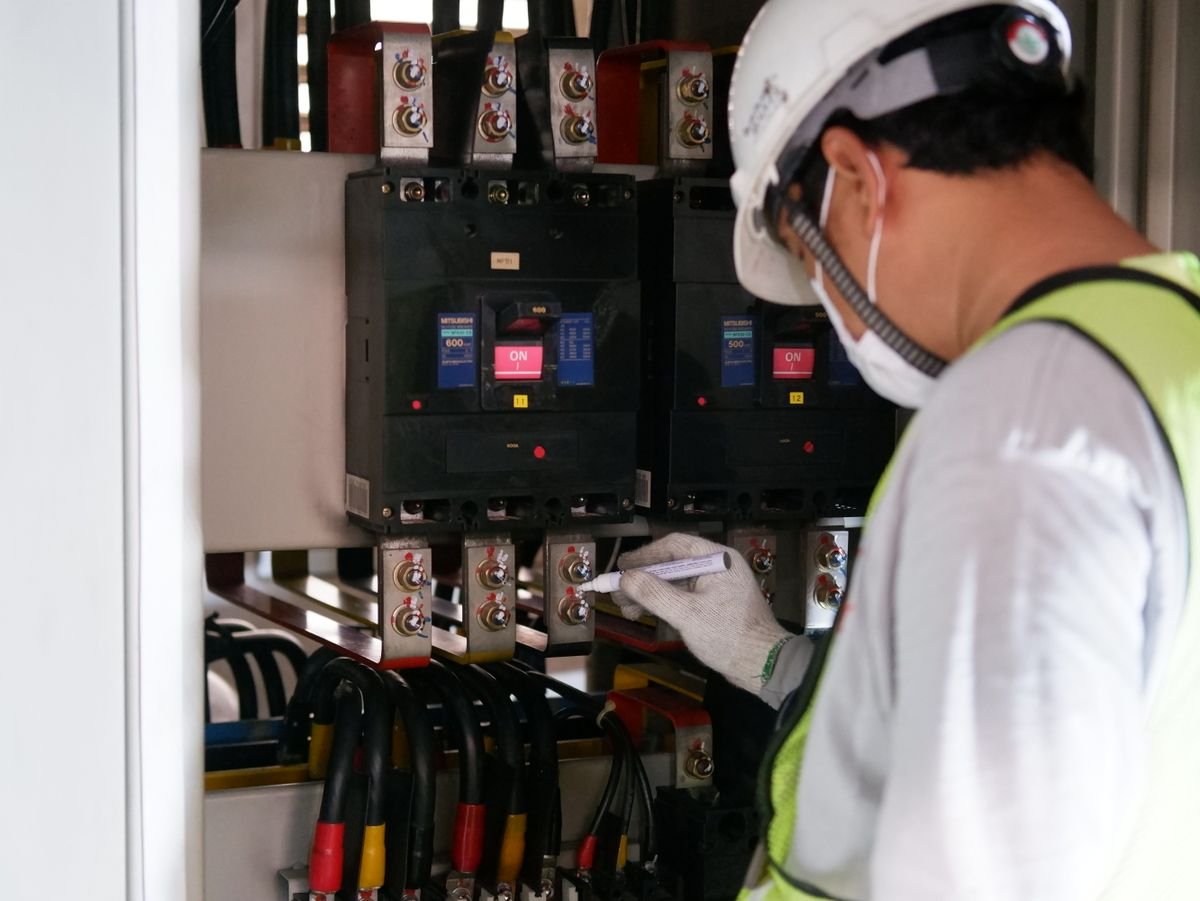
- Any warmth, buzzing, scorch marks or burning smell at the panel. This is not a budgeting question. Call an electrician now.
- Any aluminium branch wiring (common in homes wired 1965–1973). This is a separate and larger issue than the panel, and it needs a specialist assessment.
How to read an electrical quote
- Panel swap or full service upgrade? Get it in writing. This is the difference between the two prices you are comparing.
- Are the meter base, service cable and mast included? Required on a real amperage increase.
- Who coordinates the utility disconnect and reconnect?
- Is the permit and inspection in the price? Unpermitted panel work is a genuine problem at sale and a possible problem with your insurer.
- How many spare slots does the new panel have? Ask for meaningful spare capacity — the cost difference between a 30-space and a 40-space panel is small, and it is what makes the next project cheap.
- Are AFCI and GFCI breakers included where code now requires them? They cost more than standard breakers and are a common quiet omission.
- Is the electrician licensed and insured? Ask for the licence number, not a reassurance.
The bottom line
Budget $1,800 for a typical panel upgrade and $1,500–$3,000 for a proper 200 amp job. If your service is genuinely increasing in size, expect the higher end, because the meter, cable and utility coordination come with it.
Do not save money on amperage. Capacity is cheap while the service is open and expensive afterwards, and almost everything people are adding to houses in 2026 — chargers, heat pumps, induction ranges — is electric.
And if the label on your panel says Federal Pacific, Zinsco or Challenger, treat replacement as maintenance rather than an upgrade. That one is not really a cost decision.
If the panel is one item on a longer list, the financing options are compared here.
Another cheap-test, expensive-if-ignored item on the same list: radon mitigation costs in 2026.
Working out your own number? Our free renovation cost calculator gives you the range for your size and area in about ten seconds.