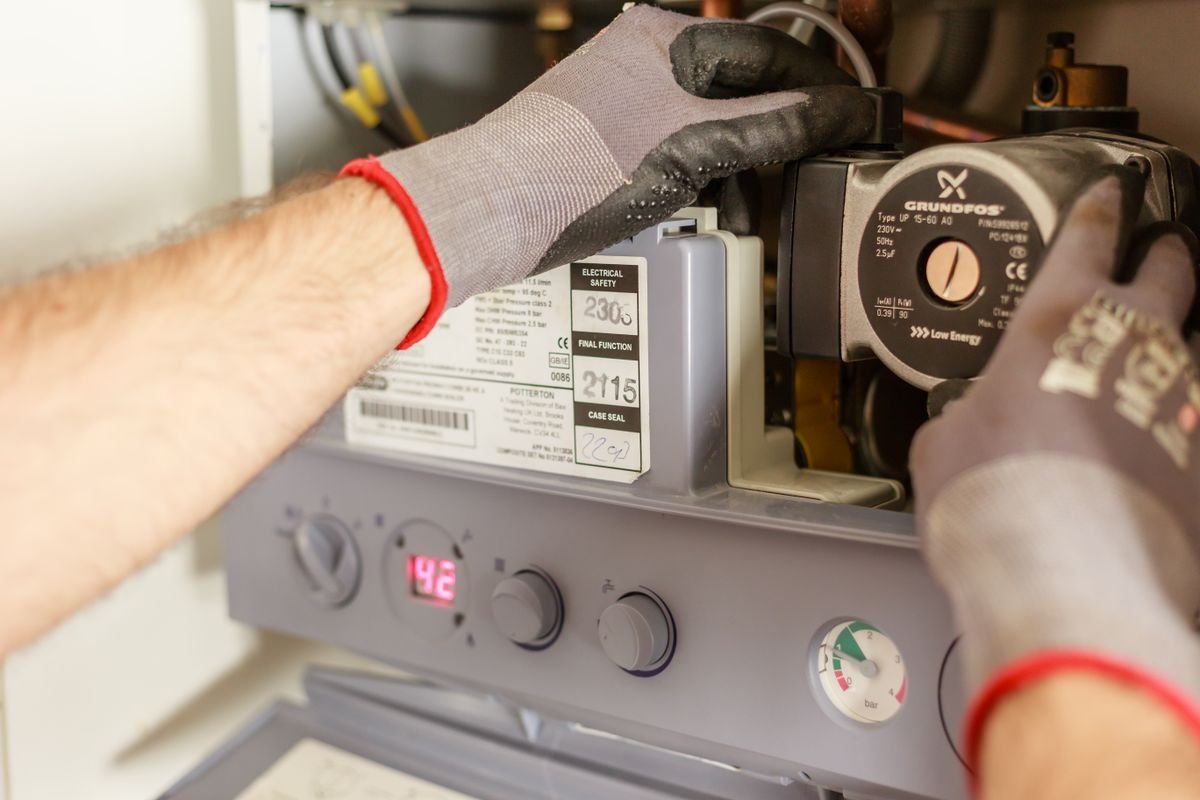
Replacing a water heater averaged $1,347 in 2026, with most jobs between $881 and $1,825. Switch to tankless and the same job runs $1,400 to $3,900 — and the reason is not the unit. It is the labour, which jumps from $150–$450 to $600–$1,900 the moment you change the type.
Water heaters are the renovation nobody plans. Yours will fail on a Sunday, and you will make a $2,000 decision in about forty minutes. This is the sheet to read before that happens.
The 2026 numbers
| Measure | 2026 figure |
|---|---|
| National average, installed | $1,347 |
| Typical range | $881 – $1,825 |
| Tank-style, all in | $600 – $2,500 |
| Tankless, all in | $1,400 – $3,900 |
| Plumber hourly rate | $45 – $200 |
| Permit | $25 – $300 |
Cost by type
| Type | Installed cost | Lifespan |
|---|---|---|
| Tank, gas | $700 – $2,700 | 8 – 12 years |
| Tank, electric | $600 – $3,500 | 10 – 15 years |
| Tank, propane | $700 – $2,500 | 8 – 12 years |
| Tankless | $1,400 – $3,900 | 20+ years |
| Hybrid heat pump | $1,200 – $3,500 | 13 – 15 years |
| High-efficiency condensing | $1,500 – $3,000 | 12 – 15 years |
| Indirect (off the boiler) | $1,200 – $3,500 | 15 – 20 years |
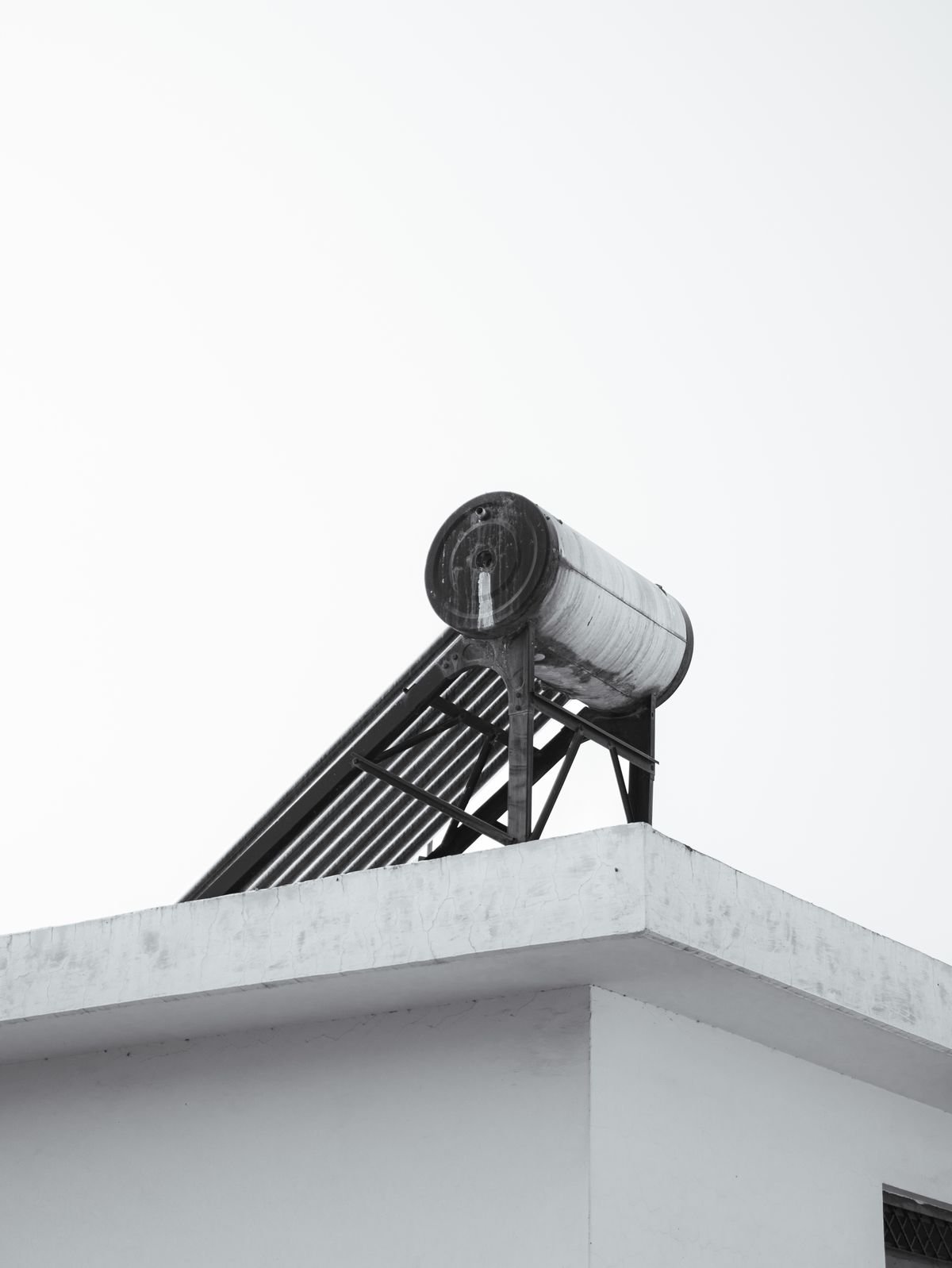
| Solar | $1,700 – $5,500 | 15 – 20 years |
The lifespan column is the one that reframes the price. A gas tank at $1,200 lasting ten years costs $120 a year. A tankless at $2,800 lasting twenty costs $140 a year. On replacement cost alone tankless is not the bargain it is sold as — it roughly breaks even, and then the energy saving decides it.
The type most people have never been offered is the hybrid heat pump. It costs $1,200–$3,500, runs on electricity, and uses roughly a third of the energy of a standard electric tank because it moves heat rather than making it. If your current heater is electric and lives somewhere that does not freeze — a garage, a basement, a utility room — it is usually the best value on this table. It is also noisier and it cools the room it sits in, which is a feature in a garage and a nuisance in a hallway cupboard.
Cost by tank size
| Size | Household | Installed cost |
|---|---|---|
| 30 gallon | 1 – 2 people | $700 – $2,100 |
| 40 gallon | 1 – 4 people | $800 – $2,300 |
| 50 gallon | 3 – 5 people | $800 – $2,500 |
| 75 gallon | 4 – 6 people | $1,100 – $4,000 |
| 80 gallon | High demand | $1,300 – $7,500 |
Going from 40 to 50 gallons costs almost nothing — the ranges overlap almost entirely. If your household has grown since the last heater went in, or you have added a bath, this is the cheapest upgrade in the whole job. Going from 50 to 75 is where the price starts to bite, and it is also where the unit stops fitting in the space the old one occupied.
Tank vs tankless, honestly
| Tank | Tankless | |
|---|---|---|
| Installed cost | $600 – $2,500 | $1,400 – $3,900 |
| Replacement labour | $150 – $450 | $600 – $1,900 |
| Conversion labour (tank → tankless) | — | $150 – $2,500 on top |
| Lifespan | 8 – 15 years | 20+ years |
| Hot water | Finite, then wait | Endless, but flow-limited |
| Space used | A closet | A wall unit |
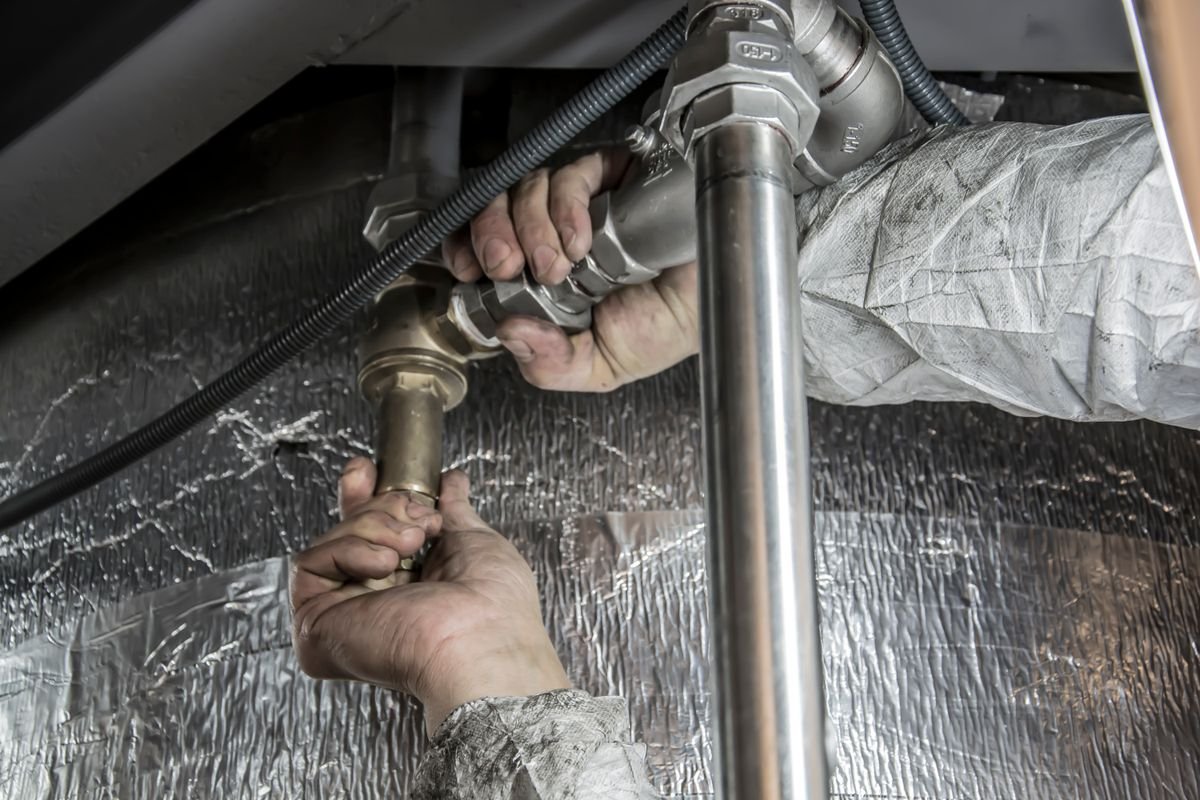
The case for tankless is real: twenty-plus years of life, no standby losses, no 50-gallon tank waiting to fail onto your floor, and you get your closet back. The case against is that converting is a different project from replacing.
A gas tankless burns far more gas per minute than a tank does, so it commonly needs a larger gas line ($260–$820, up to $1,500) and different venting ($300–$600 for a power-vent, plus $300–$500 of electrical). An electric tankless draws so much current that many houses need a service upgrade ($500–$1,000+). Stack those on and a $2,000 tankless unit becomes a $5,000 project.
The honest rule: tankless makes sense if you are already opening walls, already upgrading the panel, or building. Ripping out a working tank purely to convert rarely pays back inside the life of the unit. And the “endless hot water” line has a catch — tankless is limited by flow rate, not volume. Run a shower and a dishwasher at once on an undersized unit and everyone gets lukewarm water forever, rather than hot water for a while.
What is not on the quote
| Item | Cost |
|---|---|
| Expansion tank (required in many codes) | $90 – $350 |
| Gas line connection | $50 – $300 |
| New or upsized gas line | $260 – $1,500 |
| Power-vent unit | $300 – $600 |
| Electrical work for power vent | $300 – $500 |
| Electrical service upgrade | $500 – $1,000+ |
| New water line | $400 – $2,000 |
| Old unit removal and disposal | $100 – $500 |
| Relocating the heater | $150 – $3,400 |
| Permit | $25 – $300 |
The expansion tank is the one that catches people. If your house has a pressure-reducing valve or a check valve on the incoming main — most newer ones do — the plumbing is a closed system, and code requires somewhere for heated water to expand. It is $90–$350 and it is not optional, but it frequently appears as a surprise on the invoice rather than the quote.
Relocation is the wide one. $150 if the new unit sits where the old one did with a slightly different footprint; $3,400 if you are moving it from a hallway cupboard to the garage and running new gas, water and drain to get there.
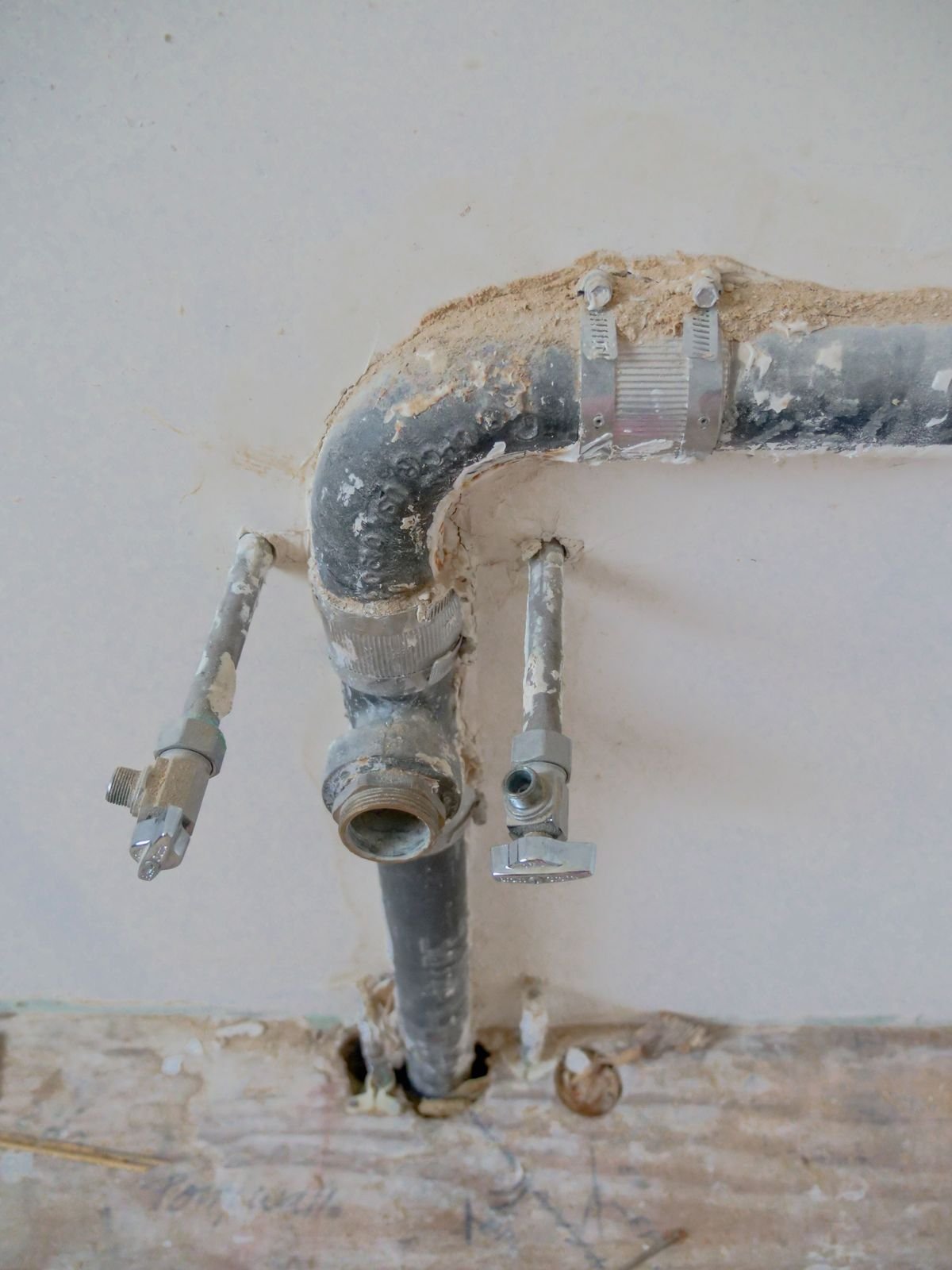
In older houses the bigger question is the pipe feeding the heater. If the supply lines are galvanised steel and already restricting flow, a new heater will not fix the pressure — that is a repiping job, and we cover the cost in whole-house repipe cost in 2026.
Replace it before it fails
A gas tank lasts 8–12 years and an electric one 10–15. Find the serial number on the label — most manufacturers encode the date in the first four characters. If yours is past nine or ten, you are on borrowed time.
- Rusty or metallic hot water — the tank lining has gone. Not repairable.
- Rumbling or popping — sediment has built up under the burner. Flushing may buy time; on an old tank it usually does not.
- Any moisture around the base — a tank does not leak slowly for long. This is a warning, not a maintenance item.
- Hot water running out faster than it used to — sediment is taking up volume the water used to occupy.
The reason to replace on schedule rather than on failure is not the heater — it is everything around it. Fifty gallons on a finished floor is a flooring claim, and often a drywall one at $1,000–$3,000. Planned replacement also means you get quotes, choose a type, and avoid the emergency premium. If the heater sits above finished space, a drain pan and a leak sensor are worth the twenty dollars.
The bottom line
For a like-for-like tank swap, budget $1,347 and expect $881–$1,825. Size up from 40 to 50 gallons if your household has grown — it is nearly free. If the heater is electric and sits somewhere unheated, price a hybrid heat pump before you default to another resistance tank.
Convert to tankless when something else already justifies opening the walls or upgrading the panel. Converting for its own sake is a $3,000–$5,000 decision that a $1,300 tank would have covered twice.
If the water heater is part of a wider systems replacement, our HVAC replacement breakdown covers the other box in the utility room, and the financing options are compared here.
Working out your own number? Our free renovation cost calculator gives you the range for your size and area in about ten seconds.