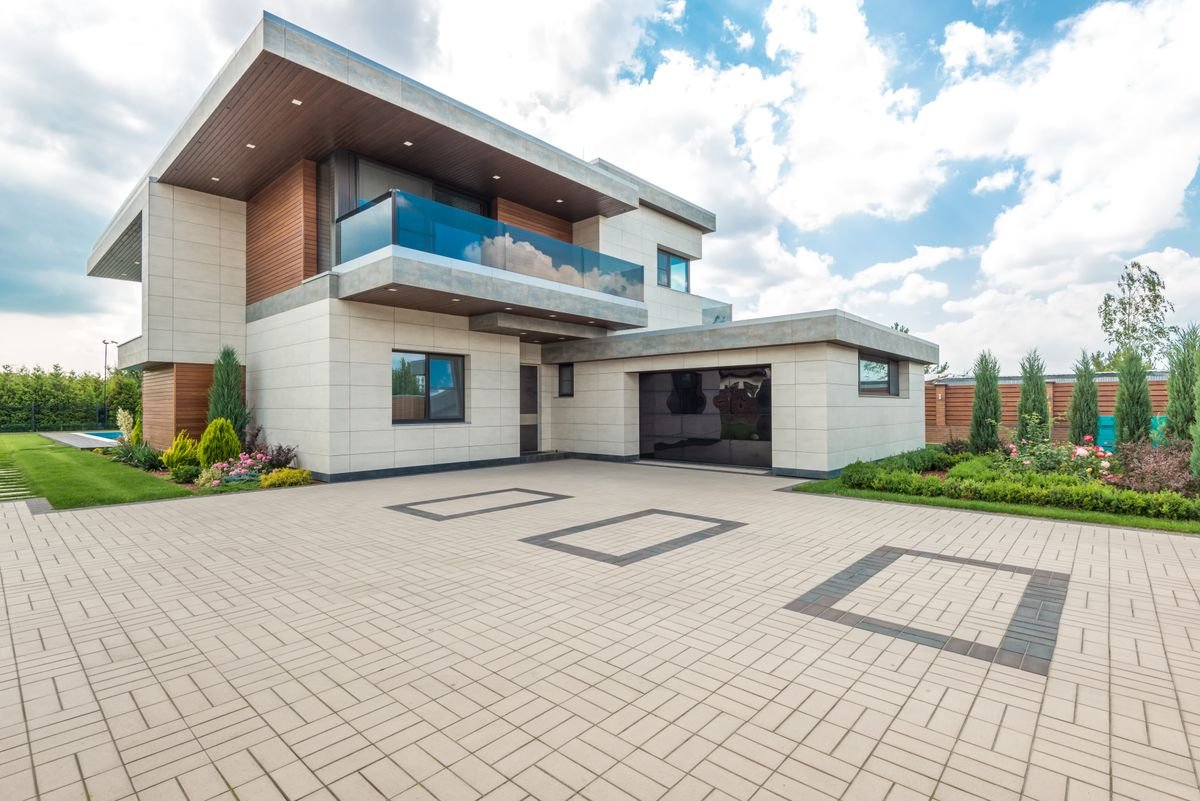
An asphalt driveway costs $5 to $12 a square foot installed. Concrete costs $6 to $15. On a two-car driveway that is $2,000–$7,200 against $2,400–$8,600 — close enough that the upfront price should not decide it.
What should decide it is the thirty-year number: asphalt lasts 15–30 years and needs resealing every 3–5, concrete lasts 30–40+ and mostly does not. Run that properly and the answer flips depending on where you live — which is why the same question gets opposite answers from equally honest contractors.
Cost per square foot by material
| Material | Installed cost per sq ft | Lifespan |
|---|---|---|
| Gravel | $4 – $10 | Indefinite, with topping up |
| Asphalt | $5 – $12 | 15 – 30 years |
| Concrete | $6 – $15 | 30 – 40+ years |
| Permeable pavers | $8 – $30 | 25 – 50 years |
| Brick pavers | $10 – $17 | 25 – 50 years |
| Limestone pavers | $16 – $32 | 25 – 50 years |
| Granite pavers | $19 – $32 | 50+ years |
| Cobblestone | $20 – $50 | Effectively permanent |
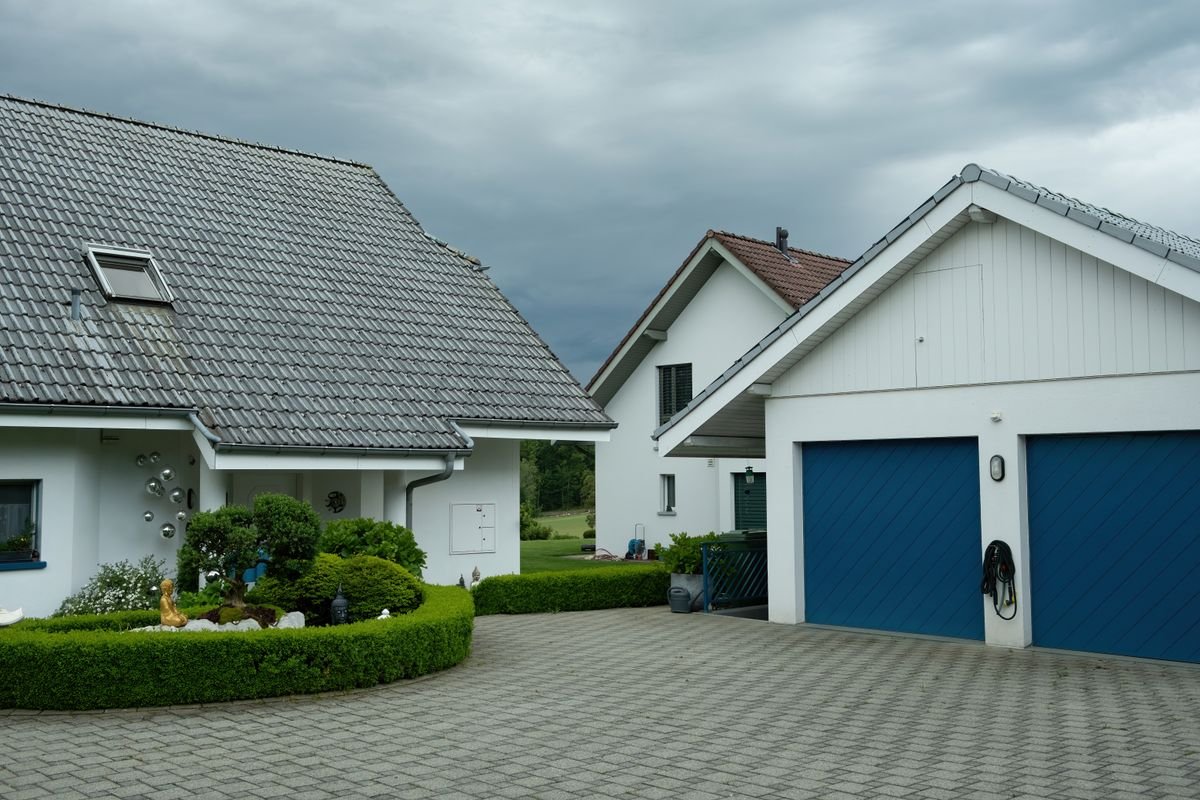
Cost by driveway size
| Size | Asphalt | Concrete |
|---|---|---|
| 1-car | $1,000 – $3,600 | $1,200 – $4,300 |
| 2-car | $2,000 – $7,200 | $2,400 – $8,600 |
The premium for concrete over asphalt is roughly 20% on day one. Given that concrete lasts about twice as long, that comparison looks one-sided — until you add the maintenance and the climate, which is where it stops being simple.
The thirty-year maths
| Item | Asphalt | Concrete |
|---|---|---|
| Sealing | $290 – $800, every 3–5 years | $290 – $1,700, occasional |
| Crack and pothole repair | $250 – $800 | $300 – $3,000 |
| Resurfacing | $200 – $2,200 | $850 – $2,900 |
| Lifespan | 15 – 30 years | 30 – 40+ years |
| Better in | Cold climates | Warm climates |
Take a 2-car asphalt driveway at $4,500. Sealing every four years at, say, $450 is roughly $3,400 over thirty years, plus a resurfacing somewhere in the middle. Call it $9,000–$10,000 all in across three decades, and you may be replacing it near the end of that.
The same driveway in concrete at $5,400 needs far less. It might see one sealing cycle and some crack repair. Call it $7,000–$8,000 over the same period, and it is likely still there at year thirty-five.
On that arithmetic concrete wins — and in a warm climate it comfortably does. The reason it is not universal advice is freeze-thaw. Concrete is rigid; when the ground beneath it heaves it cracks, and concrete cracks are the expensive kind at $300–$3,000. Asphalt is flexible enough to move with the ground, and its failures are cheap: you seal them, you patch them, you resurface for $200–$2,200. Road salt attacks concrete surfaces and does very little to asphalt.
So the honest rule is the one in the table. Cold climate with real winters: asphalt, and budget the sealing as part of owning it. Warm or mild climate: concrete, and enjoy not thinking about it. Somewhere in between: either is defensible, and looks can decide it.
The base is the part that matters
Almost every driveway that fails early fails from underneath. The surface is what you see and what you pay attention to in a quote; the compacted gravel base beneath it is what carries the weight of a vehicle and drains the water away.
Two contractors can quote the same square footage of the same material and differ by thousands because one is laying six to eight inches of properly compacted base and the other is laying three inches over whatever is there. You cannot tell which you bought until year four, when one has settled and the other has not.
- Ask for the base depth in inches, in writing. It is the single most useful question on the whole quote.
- Ask how it will be compacted. A plate compactor in lifts, not a truck driven over it.
- Ask about drainage and slope. Water must run away from the house and off the driveway, not pond in the middle of it.
- Ask about asphalt thickness. Two inches of compacted asphalt is a residential minimum; three is better where trucks turn.
- For concrete, ask about thickness and reinforcement. Four inches residential, and control joints cut early enough to actually control where it cracks — because it will crack somewhere.
Removal of the old driveway is usually a separate line. Confirm whether demolition, haul-away and disposal are in the number, because on a replacement they frequently are not.
Gravel and pavers
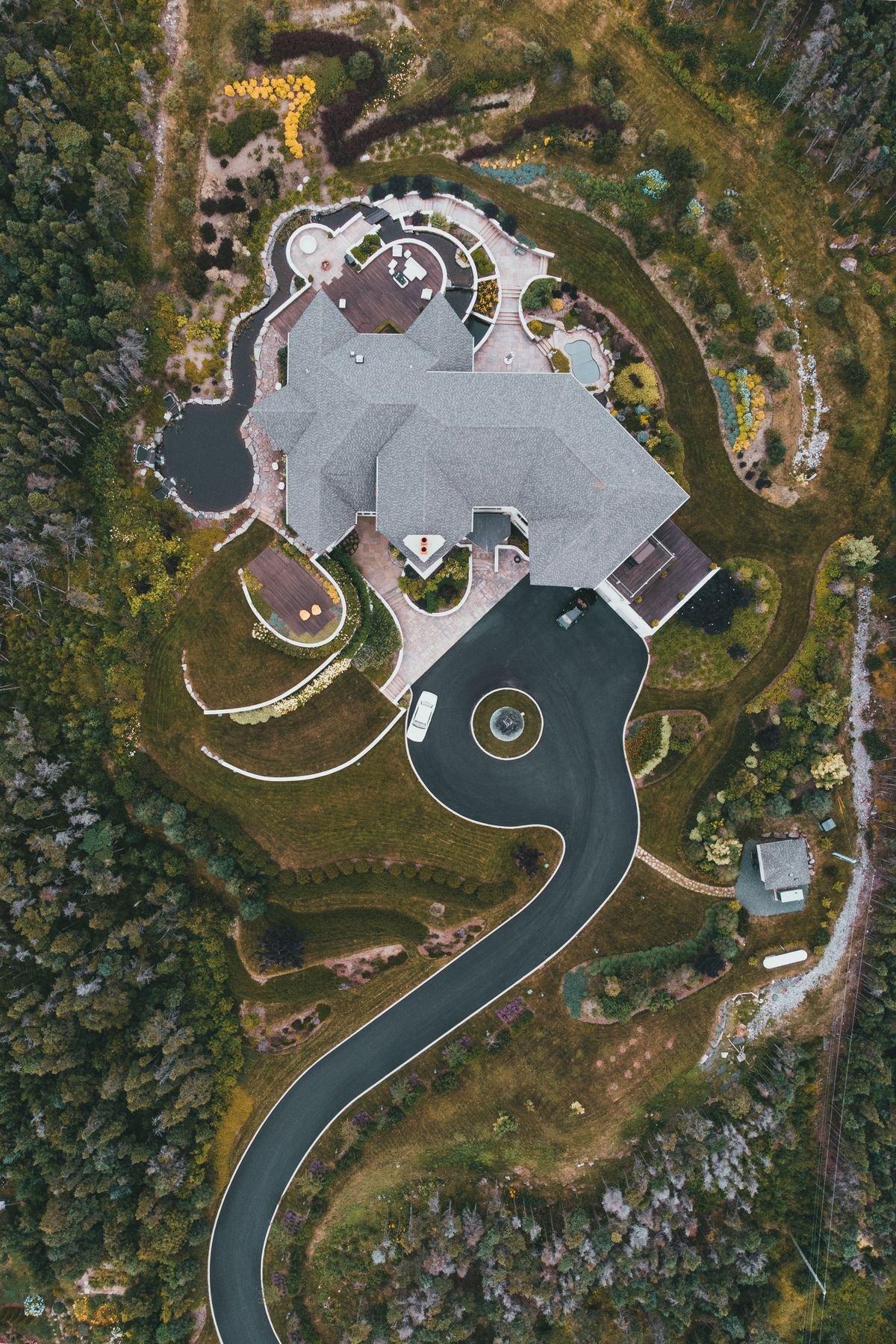
Gravel at $4–$10 a square foot is the cheapest way to get a functioning driveway, and it lasts indefinitely if you top it up. It is also the one that migrates into your lawn, needs raking, becomes ruts, and does nothing for a listing photo. On a long rural drive it is often the only sensible economics. On a suburban one it reads as unfinished.
Pavers start at $10 a square foot and run to $50 for cobblestone. Two things are genuinely different about them, beyond looks. Individual pavers can be lifted and reset, so a settled patch or a trench for a utility line is a repair rather than a scar. And permeable pavers at $8–$30 let water through into the ground, which matters where stormwater rules restrict how much hard surface a lot may have — increasingly common, and worth checking before you design a wider driveway.
The bottom line
Budget $5–$12 a square foot for asphalt and $6–$15 for concrete — roughly $2,000–$7,200 and $2,400–$8,600 for a two-car driveway.
Choose by climate, not by sticker: asphalt where it freezes, concrete where it does not. Then spend whatever you saved on base depth, because that is the part of the driveway that decides how long the part you can see will last.
If the driveway is one of several exterior jobs, our siding costs, deck building breakdown and window replacement guide cover the rest of the outside of the house.
Doing the outside of the house in one go? A new driveway usually arrives at the same time as new fencing — fence installation cost in 2026 and concrete patio cost in 2026 cover the two jobs most often quoted alongside it.
Working out your own number? Our free renovation cost calculator gives you the range for your size and area in about ten seconds.