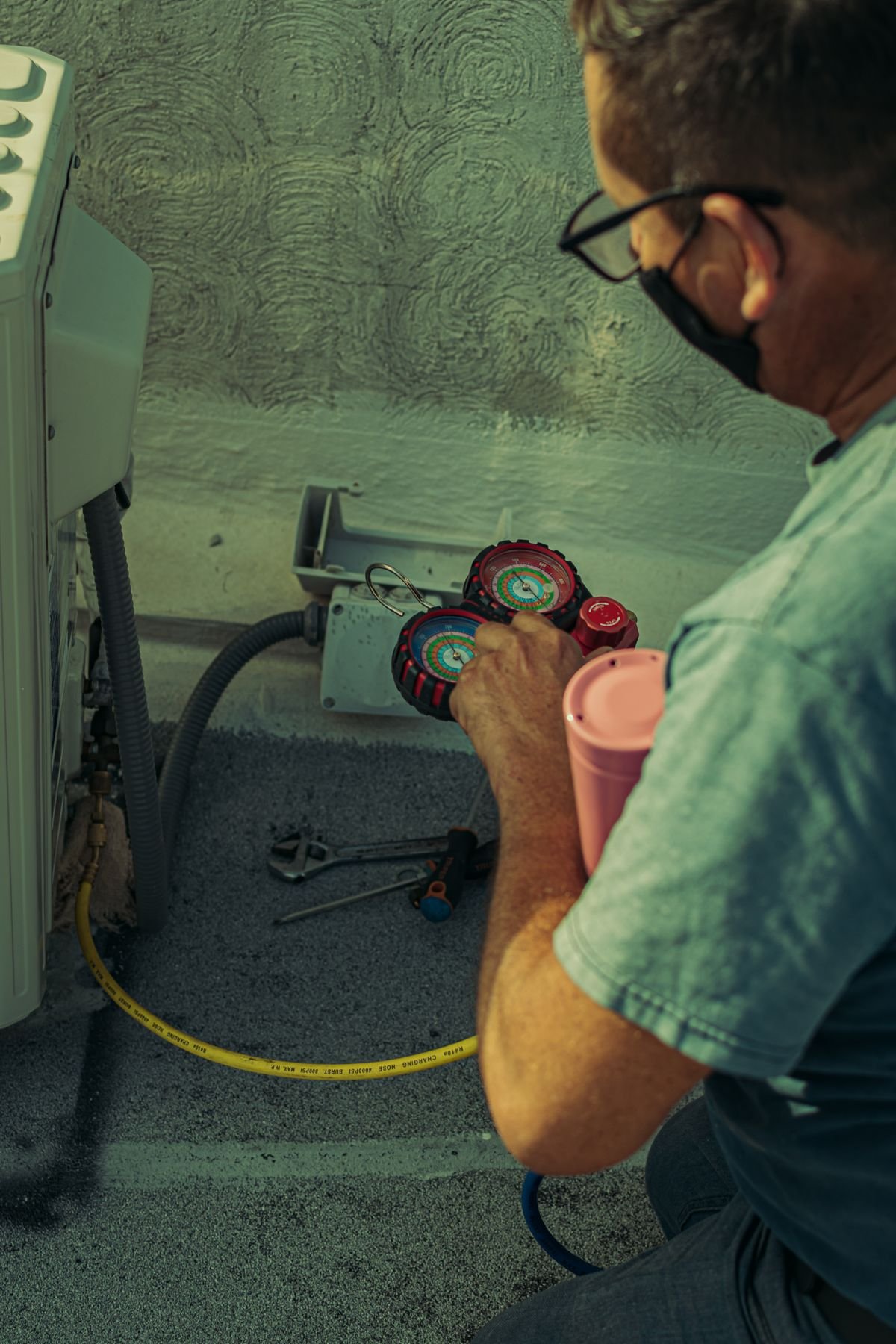
A full HVAC replacement averaged $7,500 in 2026, with most jobs landing between $5,000 and $12,500. Add ductwork and the same house can hit $22,000. That is a four-fold spread on what sounds like one product, and almost nobody explains where it comes from.
Here is the breakdown by system type, by size, and by the two line items — ductwork and load calculation — that decide whether your quote lands at the bottom of that range or the top.
The 2026 numbers at a glance
| Measure | 2026 figure |
|---|---|
| National average, full system | $7,500 |
| Typical range | $5,000 – $12,500 |
| With new ductwork and upgrades | up to $22,000 |
| Standard installation labour | ~$1,500 |
| Typical system lifespan | 15 – 25 years |
Cost by system type
| System | Installed cost range |
|---|---|
| Central air conditioning | $3,900 – $7,900 |
| Gas furnace | $3,800 – $10,000 |
| Electric furnace | $1,700 – $7,100 |
| Oil furnace | $3,800 – $10,000 |
| Heat pump, standard | $4,200 – $7,600 |
| Air-source heat pump | $4,500 – $8,000 |
| Hybrid (dual-fuel) heat pump | $2,500 – $10,000 |
| Ductless mini-split | $2,000 – $14,500 |
| Gas or propane boiler | $2,800 – $9,000 |
| Electric boiler | $1,800 – $8,000 |
| Geothermal heat pump | $4,500 – $24,500 |
| Whole-house fan | $900 – $3,600 |
The ranges look absurd until you realise what they are hiding. A ductless mini-split is $2,000 for one head in one room and $14,500 for six heads across a house — it is not one product, it is a per-zone price. Geothermal runs from $4,500 to $24,500 for the same reason: the equipment is a small part of it and the ground loop is most of it, and whether you can trench or must drill changes the number by five figures.
The genuinely useful comparison is the middle of the table. A gas furnace plus central air lands around $8,000–$16,000 together. A single heat pump doing both jobs lands around $4,200–$8,000. If your ductwork is sound and you are not in a climate that goes properly cold, the heat pump is one box instead of two and it is usually the cheaper install as well as the cheaper run. That is the decision worth taking seriously in 2026, and most quotes will not offer it unless you ask.
What size you actually need
| AC size | Home size | Equipment cost |
|---|---|---|
| 1.5 tons | 600 – 1,000 sq ft | $2,000 |
| 2.5 tons | 1,000 – 1,600 sq ft | $2,900 |
| 3 tons | 1,600 – 2,000 sq ft | $3,000 |
| 3.5 tons | 2,000 – 2,500 sq ft | $3,500 |
| Furnace output | Home size | Equipment cost |
|---|---|---|
| 40,000 – 60,000 BTU | 800 – 1,200 sq ft | $2,000 – $4,500 |
| 75,000 – 100,000 BTU | 1,500 – 2,000 sq ft | $2,500 – $5,900 |
| 120,000 – 140,000 BTU | 2,500+ sq ft | $4,000 – $8,000 |
Those square-footage columns are rules of thumb, and rules of thumb are how most systems get oversized. A tight, well-insulated 2,000 sq ft house with new windows does not need the same tonnage as a draughty one built in 1962, and sizing it as though it does gives you a system that short-cycles: it blasts, hits the thermostat, shuts off, and never runs long enough to pull humidity out of the air. You end up with a house that is cold and clammy, a compressor that wears out early, and a bill you paid extra for.
The fix has a name: a Manual J load calculation. It is a room-by-room measurement of what your house actually loses and gains, and it is the single question that separates a contractor who is engineering a system from one who is reading a chart. Ask every bidder whether their quote is based on one. Some will say yes and mean it, some will say yes and mean they looked at your square footage. If your existing system was oversized, a proper Manual J often lands you a smaller, cheaper unit than the one you are replacing.
Insulation comes first in that calculation. An under-insulated attic can push a house a full half-ton up the sizing chart, so topping up before you size the system often means a smaller, cheaper unit that also runs less. See attic insulation cost in 2026 for what that job runs.
Ductwork: the $3,500 line item
| Item | Cost |
|---|---|
| Ductwork installation | $1 – $13 per linear foot (average job ~$3,500) |
| New duct runs | ~$15 per linear foot |
| Adding a zone | $2,000 – $3,000 |
| Indoor unit relocation | $1,000 – $2,500 |
| Attic or crawlspace insulation | ~$1,500 |
| Smart thermostat | $120 – $260 |
| Asbestos abatement (older duct tape/insulation) | $1,200 – $3,100 |
| Old system removal and disposal | $60 – $500 |
| Permit | $50 – $500 |
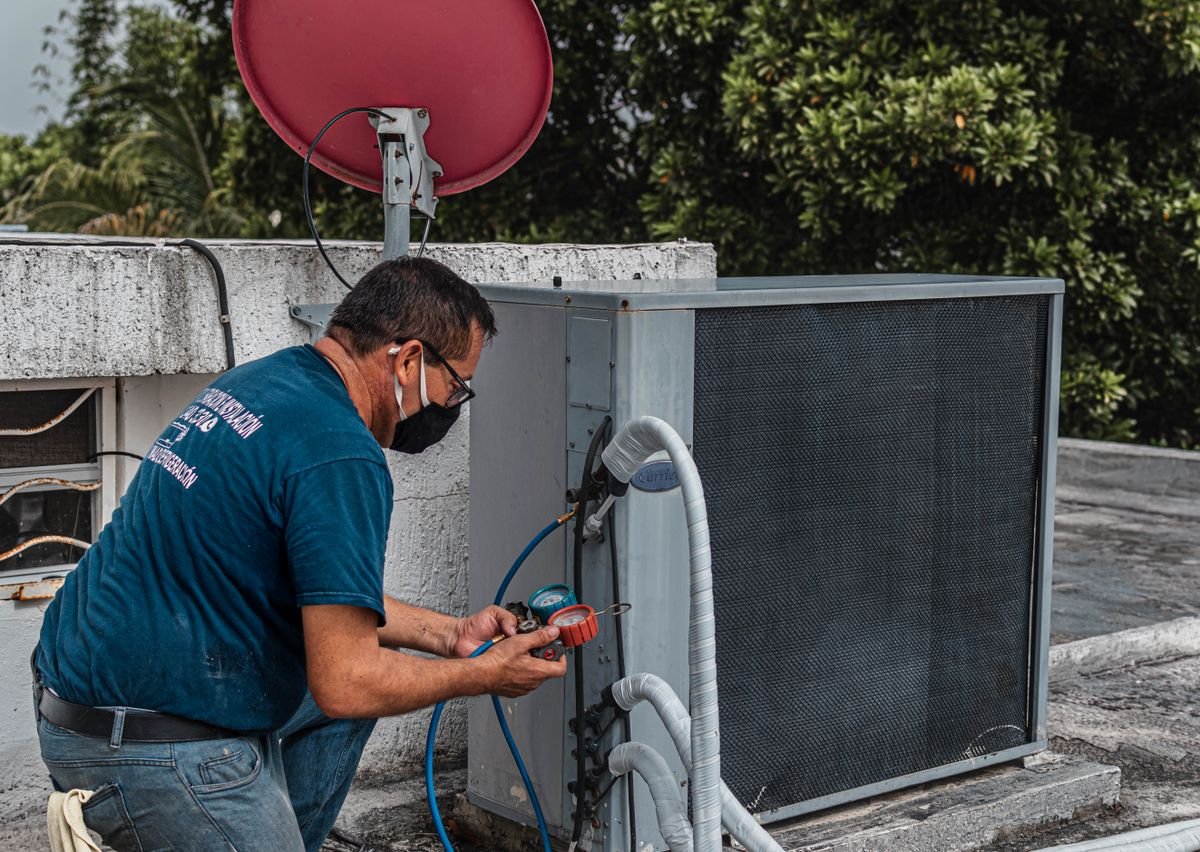
This table is where the $7,500 average becomes a $16,000 job. Ductwork is not part of a like-for-like equipment swap, so it does not appear on the first quote — and then the crew opens the attic and finds crushed flex duct, disconnected runs and no insulation, and the number moves.
It is also the part with the most leverage. Leaky ducts commonly waste 20–30% of what a system produces. Putting a new high-efficiency unit on bad ductwork is buying an expensive engine for a car with flat tyres. If the budget will not stretch to both, sealing and insulating the ducts before upgrading the equipment is the better first spend.
Efficiency ratings: when they pay and when they do not
Each step up the efficiency ladder adds roughly $350–$1,500 to the price. Whether that is worth it depends on one thing almost nobody accounts for: how many hours a year the system actually runs.
In Phoenix or Houston, where an AC runs most of the year, going from a baseline SEER2 unit to a high one can pay back inside five or six years. In Seattle or Minneapolis, where the same AC runs perhaps six weeks, the identical upgrade can take twenty years to return — longer than the unit will live. The heating side flips it: a high-AFUE furnace pays back fast in a cold climate and slowly in a warm one.
So the rule is not “buy the highest rating you can afford.” It is: upgrade the side of the system that runs the most hours where you live, and take the baseline on the other. A contractor who pushes top efficiency on both sides regardless of climate is selling, not sizing. Same arithmetic we ran on whether home solar still pays back in 2026 — the payback depends on where you are, not on the brochure.
Repair or replace?
- Under 10 years old and out of warranty: repair, almost always. Parts are available and the remaining life is worth more than the repair.
- 10–15 years old: apply the multiply-by-age test — repair cost × system age. If that beats about $5,000, replacement is usually the better spend.
- Over 15 years, or R-22 refrigerant: replace. R-22 was phased out and what remains is priced accordingly; a single recharge on a leaking old system can cost more than a meaningful share of a new one.
- Compressor or heat exchanger has failed: replace. These are the two most expensive parts in the box, and on an older unit the repair approaches the cost of the whole system.
One caution about the middle case. A failing system in February is the worst possible time to make a $10,000 decision, and every contractor knows it. If your system is 12 years old and still running, get the quotes now, in a shoulder month, when you can compare three of them calmly and installers are not booked solid. Emergency replacements cost more and get sized worse.
How to read an HVAC quote
- Is it based on a Manual J load calculation? If the answer is square footage, the sizing is a guess.
- What is the model number of every component? Furnace, coil and condenser must be a matched set. A new condenser on an old coil loses much of the efficiency you paid for, and it is a common way to make a quote look cheap.
- Is ductwork inspected, sealed, or replaced — and which? Get it stated. “Existing ductwork” on a quote means nobody looked.
- Who pulls the permit? Unpermitted HVAC work turns up in home inspections and can complicate a sale.
- What voids the manufacturer warranty? Most require registration within 60–90 days and annual documented maintenance. Miss either and a ten-year warranty becomes a five-year one.
- Is disposal of the old unit and refrigerant recovery included?
The bottom line
Budget $7,500 for a straightforward full replacement and $5,000–$12,500 as the honest range. Add $3,500 if the ducts need work, which on a house over about thirty years old is more likely than not.
The two questions that move your number most are not about brands. They are: has anyone actually calculated what this house needs, and is the air getting from the box to the rooms without leaking out on the way. Get those right and a mid-range system outperforms a premium one that was guessed at.
Because HVAC failures rarely wait for a good moment, it is worth knowing your options before you need them — we compared five ways to finance a renovation, and looked at home equity loans against HELOCs for the larger jobs.
Working out your own number? Our free renovation cost calculator gives you the range for your size and area in about ten seconds.