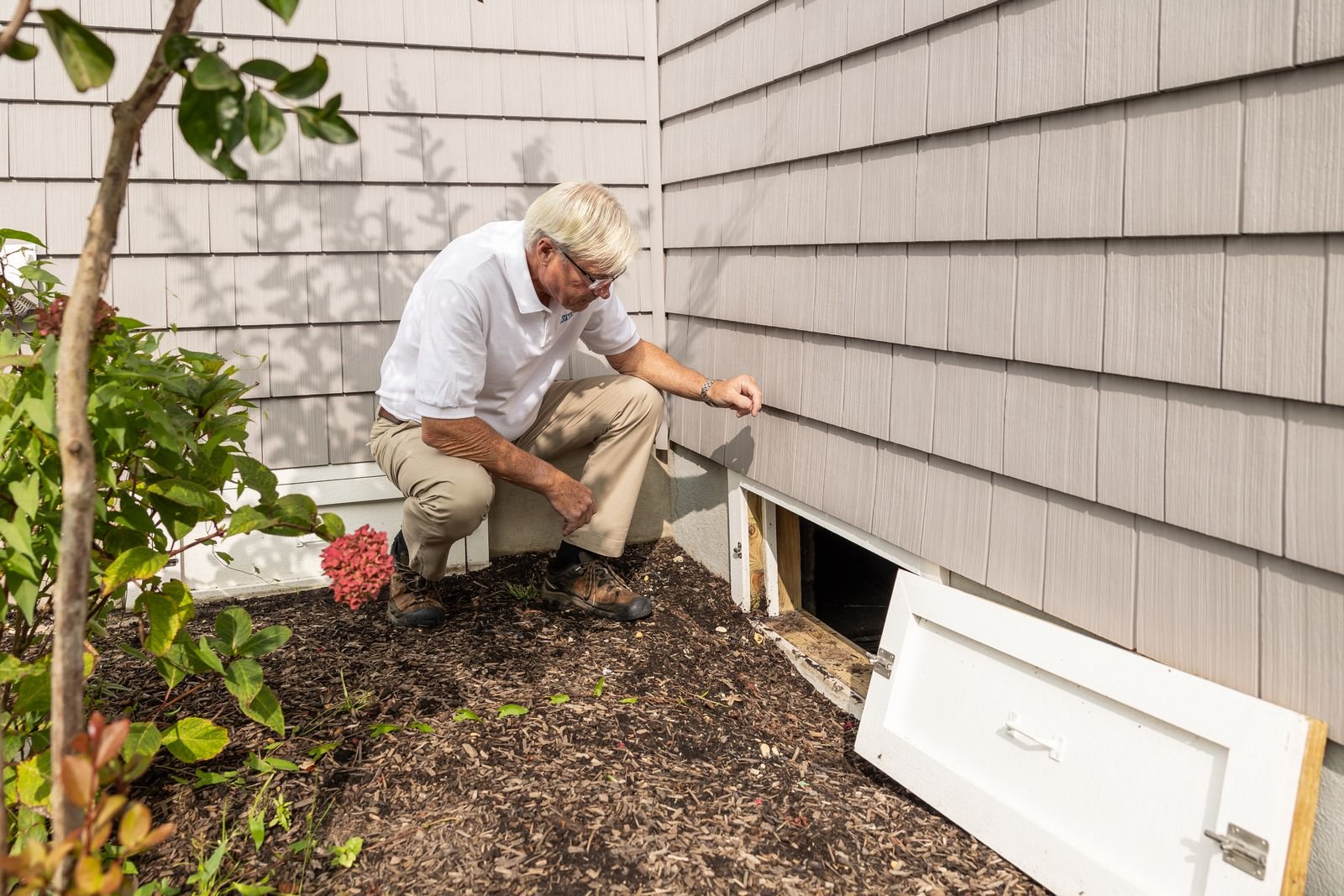
Radon is the second leading cause of lung cancer in the US and is linked to roughly 21,000 deaths a year. Testing for it costs between $10 and $35. That gap — between what the risk is and what finding out costs — is the whole argument for doing it.
Here is what a system costs if the test comes back high, and the two numbers most homeowners have never been told.
The EPA number, and the one below it
The EPA action level is 4.0 pCi/L and has not changed for 2026. What gets quoted far less often, from the same EPA page: it also recommends you consider fixing between 2 and 4 pCi/L. For context, the US indoor average is 1.3 pCi/L and outdoor air is 0.4.
So a 3.2 reading is not “under the limit and fine”. It is inside the band the EPA explicitly asks you to think about.
What mitigation costs
| Source | Average | Range |
|---|---|---|
| Angi | $1,000 | $800–$1,300 |
| Bob Vila | $978 | $771–$1,185 |
| HomeGuide | $1,600 | $1,200–$2,000 |
| System | Installed cost |
|---|---|
| Active sub-slab depressurisation (the usual answer) | $800–$2,500 |
| Drain-tile suction | $800–$1,800 |
| Sump pit sealing and suction | $800–$2,500 |
| Crawl space sub-membrane depressurisation | $800–$3,000 |
| Crawl space full encapsulation | $3,000–$15,000 |
| Block-wall depressurisation | $1,500–$3,000 |
| Heat or energy recovery ventilator | $1,300–$2,500 |
| Waterborne radon — carbon scrubbing | $1,200–$1,800 |
| Waterborne radon — aeration | $4,000–$5,000 |
By house size (Angi): under 1,500 sq ft $800–$1,200; 1,500–2,500 sq ft $1,200–$2,000; 2,500–4,000 sq ft $2,000–$3,000.
Testing: the cheapest decision here
| Method | Cost |
|---|---|
| DIY mail-in kit | $10–$35 |
| Continuous digital monitor | $100–$300 |
| Professional test | $125–$800 |
| Post-installation verification test | $50–$200 |
Building it in costs a fraction of retrofitting it
The EPA prices radon-resistant new construction at $250–$750, and “less than $250 if the builder already uses some of the same techniques for moisture control”. Against a retrofit averaging $1,000–$1,600, that is two to eight times cheaper — and the EPA says so plainly.
If you are building, or having a slab poured for an extension, this is a $250 decision that never comes back.
The costs that outlive the install
| Item | Cost | How often |
|---|---|---|
| Fan replacement | $150–$350 | Every 5–10 years |
| Electricity to run the fan | $70–$80 a year | Continuous |
| Fan inspection | $50–$150 | Every 1–2 years |
| Monitor replacement | $100–$300 | Every 5–7 years |
| Crack sealing before the system will work | $200–$1,000 | Once, sometimes required |
| Electrical work to power the fan | $100–$300 | Once |
| Permit | $25–$200 | Once |
Buying or selling a house
The EPA recommends testing every home at point of sale regardless of the radon zone it sits in. Two practical points follow.
- Once you have tested, the result usually has to be disclosed. Most states require it on the whole-house disclosure form. You cannot test, dislike the answer, and un-know it.
- Vacant homes need closing up first — the test should start no sooner than 12 hours after the house is sealed, or the reading is meaningless.
If a test comes back at 4 pCi/L or above during a sale, mitigation is a normal negotiation item. At roughly $1,000, it is one of the cheaper things to argue about.
On resale value
There is no credible figure. Radon mitigation is not in the Remodeling Cost vs. Value report, and no cost guide publishes a recoup percentage. The pages claiming one are all written by companies that install the systems. We are not going to repeat their number.
The honest case for spending the money is health, and the fact that an unmitigated high reading is a disclosure item that will come up at sale anyway.
Keep reading
- Basement finishing cost in 2026 — test before you finish, not after
- Sump pump installation cost in 2026
- Attic insulation cost in 2026
Working out your own number? Our free renovation cost calculator gives you the range for your size and area in about ten seconds.