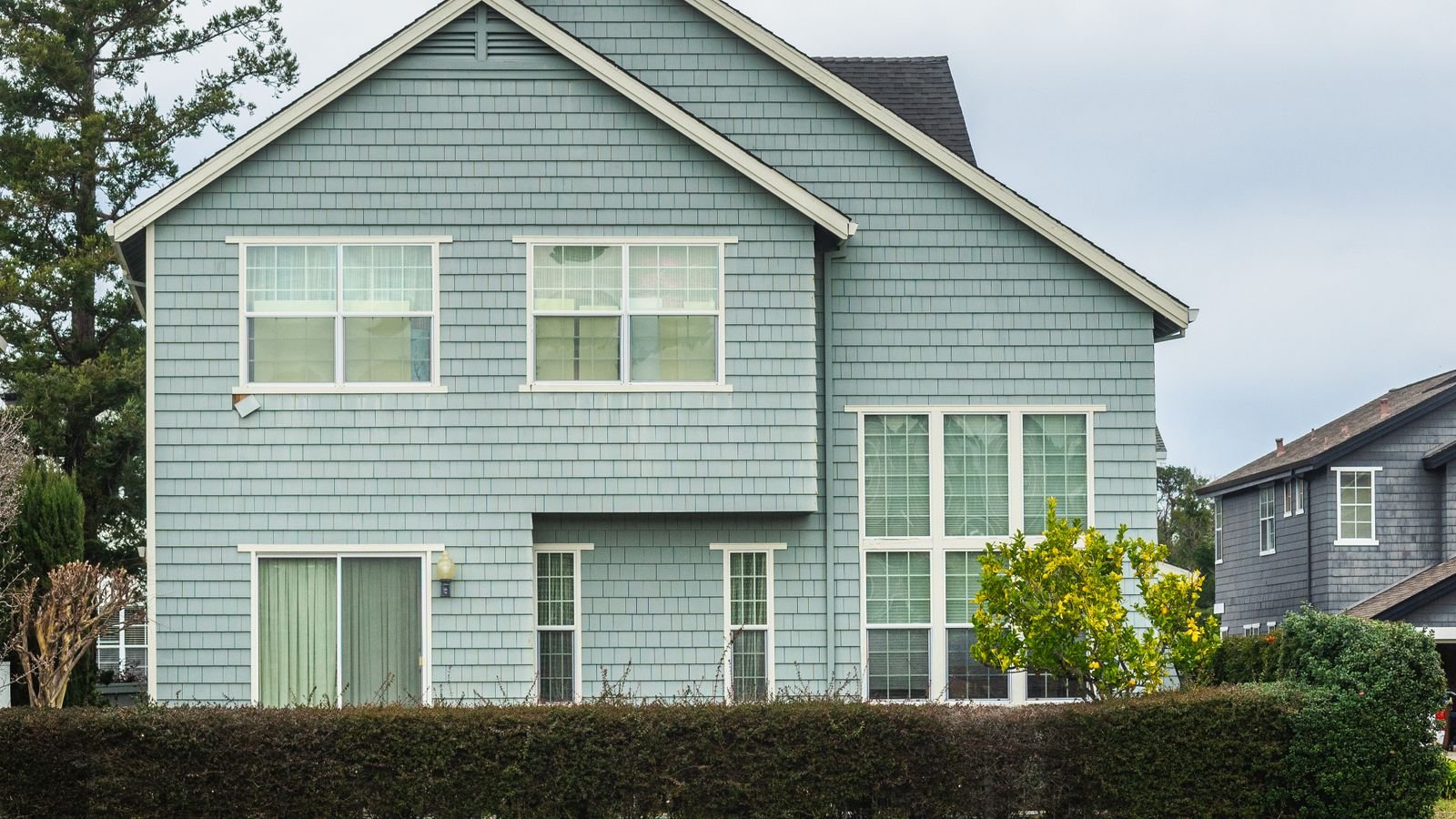
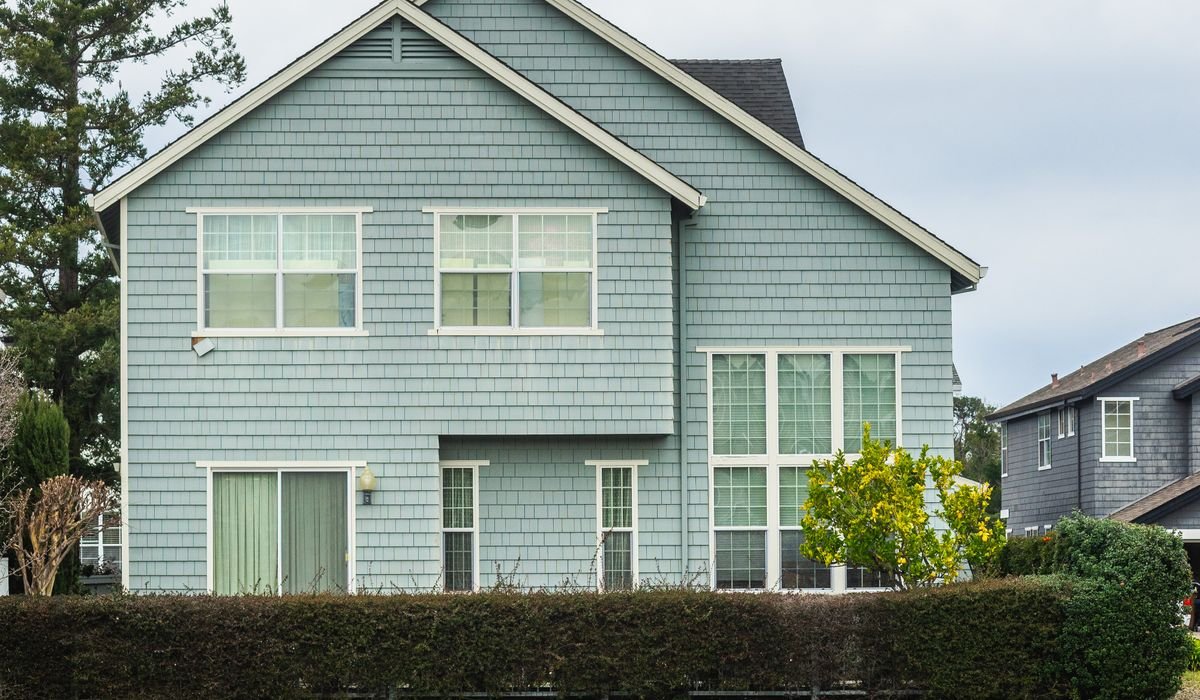
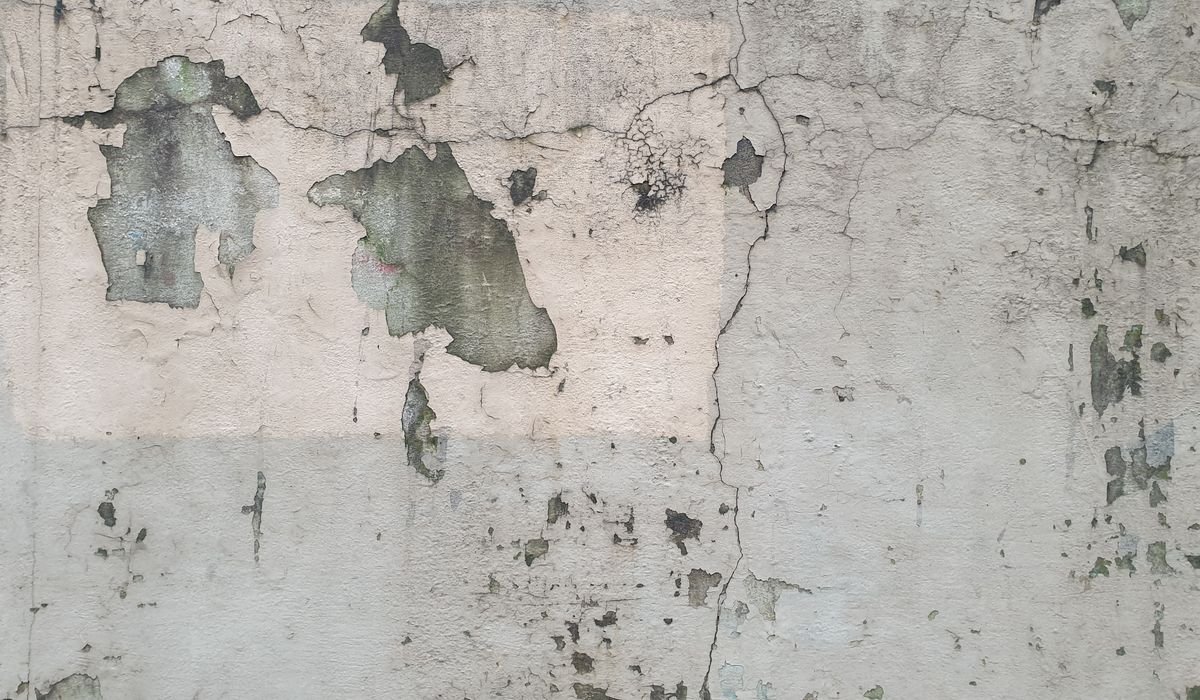
Siding is the one renovation where the boring answer is usually right, and where the expensive answer actually earns its money about half the time.
Fiber cement on an average American house runs about $14,893, with most projects landing between $6,586 and $23,207. Vinyl comes in well under that. Which one belongs on your house depends almost entirely on your climate and how long you are staying.
Cost by house size
Siding is quoted by the square foot of wall — not floor area — and fiber cement averages around $12.50 per square foot installed, ranging $7 to $18 by style.
| Siding area | Fiber cement, installed |
|---|---|
| 800 sq ft | ~$13,000 |
| 1,000 sq ft | ~$15,000 |
| 1,500 sq ft | ~$18,200 |
| 2,000 sq ft | ~$21,300 |
| 3,000 sq ft | ~$25,000 |
Note how the cost per square foot falls as the house gets bigger — $16.25 at 800 sq ft down to $8.33 at 3,000. Mobilisation, scaffolding and setup are close to fixed. Small houses carry that overhead on fewer square feet, which is why quotes on modest homes feel disproportionately high.
Style changes the price more than you would think
| Fiber cement style | Per sq ft | Notes |
|---|---|---|
| Planks / lap | $4 – $14 | The default. Fastest to install, cheapest. |
| Shingles | $5 – $14 | More pieces, more labour. Good for gables and accents. |
| Panels | $6 – $18 | Large format, modern look, most expensive. |
A practical move: run lap siding across the main walls and put shingles only on gables or a front feature. You get most of the visual interest for a fraction of the extra labour.
Where the money goes
| Line item | Cost |
|---|---|
| Labour | $2 – $8 per sq ft ($3,000 – $10,500 typical) |
| Old siding removal | $1,000 – $3,000 |
| Painting (fiber cement, if unfinished) | ~$3,700 |
| Crack repair, later | $10 – $25 per sq ft |
| Power washing, annually | ~$310 |
Labour runs anywhere from 20% to 70% of the total depending on material. That spread is the whole story of siding pricing: a cheap material that is slow to install can cost more than an expensive one that goes up fast.
The line item that is not on your quote
Rotted sheathing.
Siding comes off and the wall underneath is finally visible for the first time in decades. If water has been getting behind the old siding — failed flashing around a window, a gap at a corner — you have rot, and it must be replaced before new siding goes on.
Nobody can quote this in advance. Hold 10–15% contingency, and more on a house over forty years old or anywhere with a history of ice dams.
The good news: this is the one moment in your house’s life when the walls are open. Adding house wrap, correcting flashing, or upgrading insulation costs a fraction now compared to any other time.
Vinyl or fiber cement?
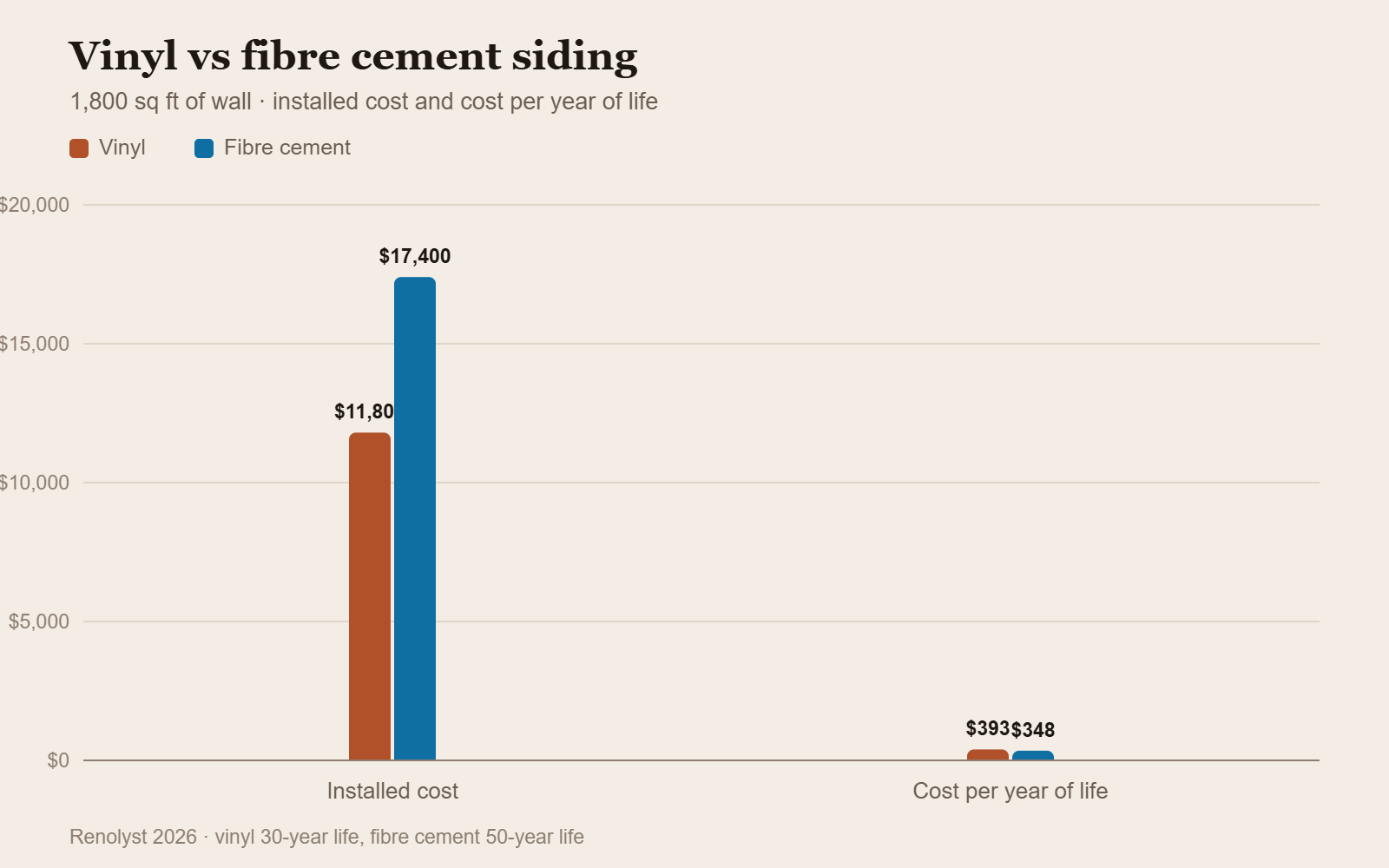
Vinyl is cheaper up front, never needs painting, and installs fast. It also becomes brittle in deep cold, can warp near a reflective window or a barbecue, and reads as budget in listing photos on higher-value homes.
Fiber cement costs more, is non-combustible, holds paint for well over a decade, and does not care about heat, cold, or insects. It is heavy and unforgiving to install, so the crew matters more than the material.
The honest split:
- Wildfire zone: fiber cement. Non-combustible siding can affect insurability, not just premiums.
- Hail or severe storms: fiber cement. Vinyl cracks.
- Staying under ten years: vinyl. You will not be there for the durability payoff.
- Forever home: fiber cement.
- Higher-value neighbourhood: fiber cement, largely for how it presents at resale.
- Rental or budget-constrained: vinyl, without apology.
Does it pay back?
Siding returns roughly 80% at resale — about $11,900 recovered on a $14,893 project. That is among the best returns in home improvement, better than a kitchen and far better than a bathroom.
The reason is straightforward and slightly unflattering: siding is the first thing a buyer sees. Tired siding makes an otherwise sound house read as neglected, and buyers discount for that far more than the repair costs.
Which also means the return is highest when the existing siding is genuinely bad. Replacing serviceable siding for a nicer colour returns much less.
Getting a quote you can compare
Siding quotes are unusually hard to compare because contractors measure differently and include different things. Insist that each quote states:
- Square footage measured — if two quotes differ by 300 sq ft, one is wrong
- Whether removal and disposal are included — a $1,000–$3,000 swing
- What happens if sheathing is rotted — get the per-sheet rate in writing before work starts
- House wrap and flashing — specified, or assumed
- Trim, corners, soffit, fascia — frequently excluded and quietly added later
- Painting, if the fiber cement is not pre-finished — roughly $3,700
The cheapest bid is very often the one that excluded three of these.
Frequently asked questions
Can new siding go over the old?
Sometimes, and it is usually a false economy. You save the $1,000–$3,000 removal cost and lose the chance to inspect the sheathing, fix flashing, and add insulation. Any moisture problem behind the old siding stays sealed in.
How long does the job take?
An average house is one to two weeks with a competent crew. Fiber cement takes longer than vinyl — it is heavier, needs precise cutting, and is far less forgiving of a rushed installer.
Does fiber cement need painting?
Pre-finished products come with factory coatings that last well over a decade. Unfinished board needs painting on site, around $3,700, and repainting perhaps every 10–15 years. Pre-finished usually wins on total cost.
What is the best time of year?
Spring and autumn. Crews are less busy than in summer, and moderate temperatures suit both installation and any painting. Winter installs are possible but fiber cement is harder to work in the cold.
Do I need a permit?
Most jurisdictions require one for full siding replacement, particularly where it touches structure or insulation. Fees vary widely. Your contractor should pull it — confirm they have, because unpermitted exterior work surfaces at closing.
Sizing your project
Estimate your siding area, apply the per-square-foot range for the style you want, add removal and painting if they apply, and hold 10–15% back for what is behind the walls.
Then get three quotes and compare the exclusions, not the totals.
Figures reflect national US data as of August 2026 and vary substantially by region and house complexity. Have a recent quote from your own project? Send it via our contact page. See also our roofing cost comparison and, if you are borrowing for the work, how to finance a renovation.
Get the numbers before you get the quote
New cost guides as we publish them, and revisions when material and labour prices move. No more than one email a week.
Related guides
- Quartz vs Granite Countertops: Cost, Upkeep and Which to Buy
- Cost to Convert a Garage Into a Room in 2026
- Cost to Convert a Tub to a Walk-In Shower in 2026
New siding also means the gutters come off and go back on, which is the cheapest moment to replace them — see gutter replacement cost in 2026.
The other kerb-appeal job with a strong payback is the door beside it — garage door replacement cost in 2026 covers what the famous ROI figure really measures.
Working out your own number? Our free renovation cost calculator gives you the range for your size and area in about ten seconds.
1 thought on “Siding Replacement Cost in 2026: Vinyl vs Fiber Cement”