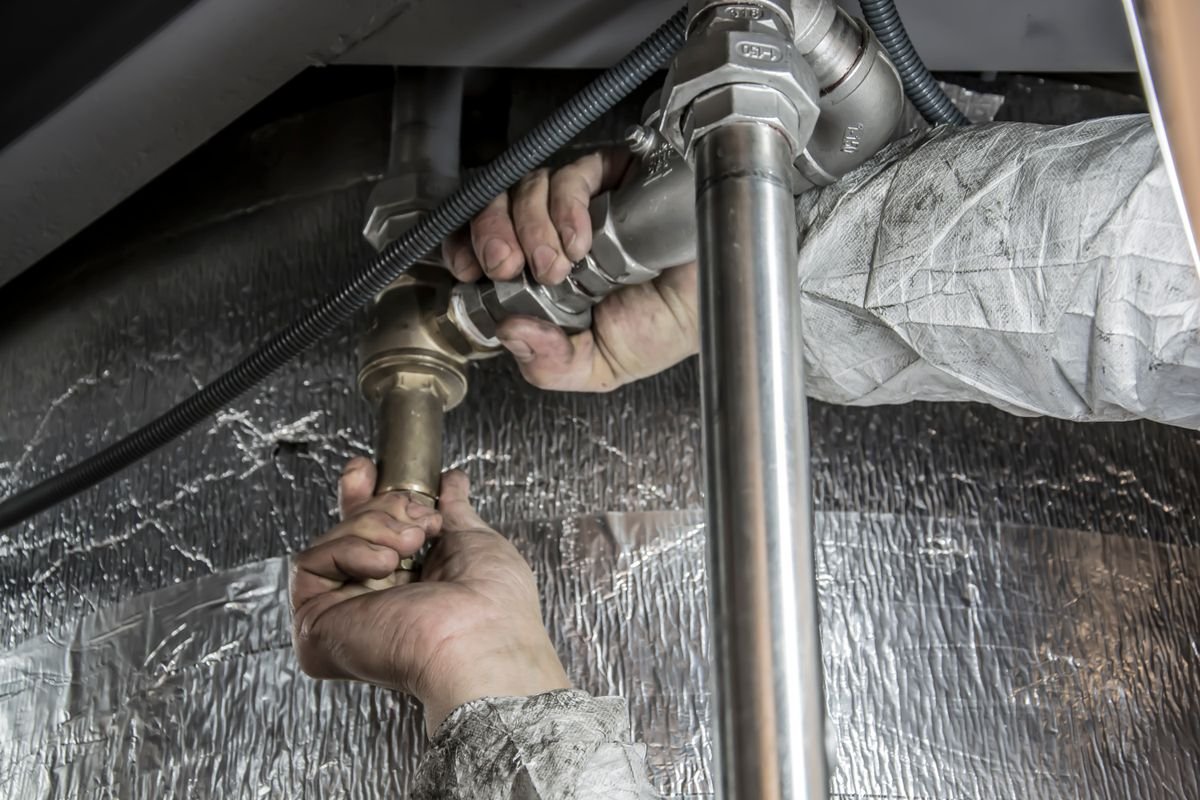
Repiping a house averaged $7,500 in 2026, with most jobs between $1,500 and $15,000 and the full professional range stretching to $22,000. About 70% of that is labour — roughly $5,250 on an average job — which tells you most of what you need to know about why the quotes vary.
The pipe itself is cheap. PEX costs 40 cents to $2 a linear foot. What you are paying for is somebody opening walls, running new lines through a finished house, and closing it all back up.
The 2026 numbers
| Measure | Figure |
|---|---|
| National average | $7,500 |
| Typical range | $1,500 – $15,000 |
| Full professional range | $1,250 – $22,000 |
| Labour share | ~70% |
| Per fixture, average | ~$1,200 |
| Mobile home | $1,500 – $4,000 |
| Timeline | Few days to several weeks |
Pipe material: the cheap part
| Material | Per linear foot |
|---|---|
| PEX | $0.40 – $2 |
| CPVC | $0.50 – $1 |
| Copper | $2 – $8 |
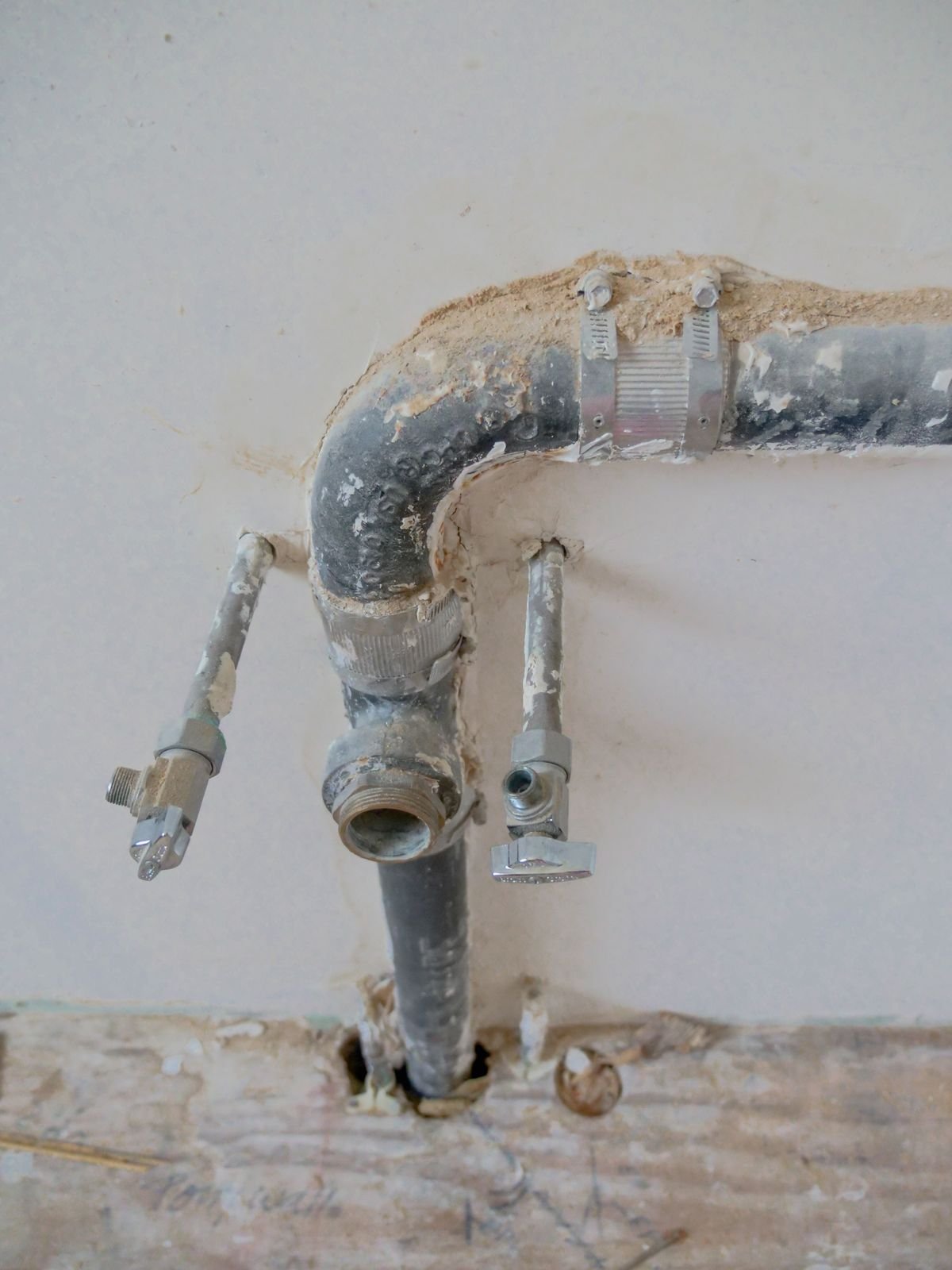
Copper costs several times what PEX does per foot, but that is not the real gap. PEX is flexible, so it can often be fished through existing wall cavities with far fewer openings. Copper is rigid and has to be run in straight sections with joints, which means more walls opened and more hours billed. The material difference is a few hundred dollars; the labour difference can be thousands.
PEX is the default for a residential repipe in 2026 for good reasons: cheaper, faster, and it tolerates freezing far better than copper — a frozen PEX line often survives where copper splits. Copper still has a case for exposed runs where appearance matters, or where a local code or a strong personal preference points that way.
Cost by fixture
| Fixture | Cost |
|---|---|
| Sink | $350 – $800 |
| Dishwasher | $400 – $800 |
| Washing machine | $350 – $1,500 |
| Shower | $600 – $1,600 |
| Water heater | $700 – $1,800 |
Fixture count is the most useful way to estimate a repipe, because it tracks how many places the plumber has to reach. A one-bathroom house is a different job from a three-bathroom house on two floors, even at similar square footage.
Rough method: count your fixtures and multiply by about $1,200. A house with two bathrooms, a kitchen, a laundry and a water heater is roughly nine or ten fixtures, which lands you close to the $7,500 average.
When it is not optional
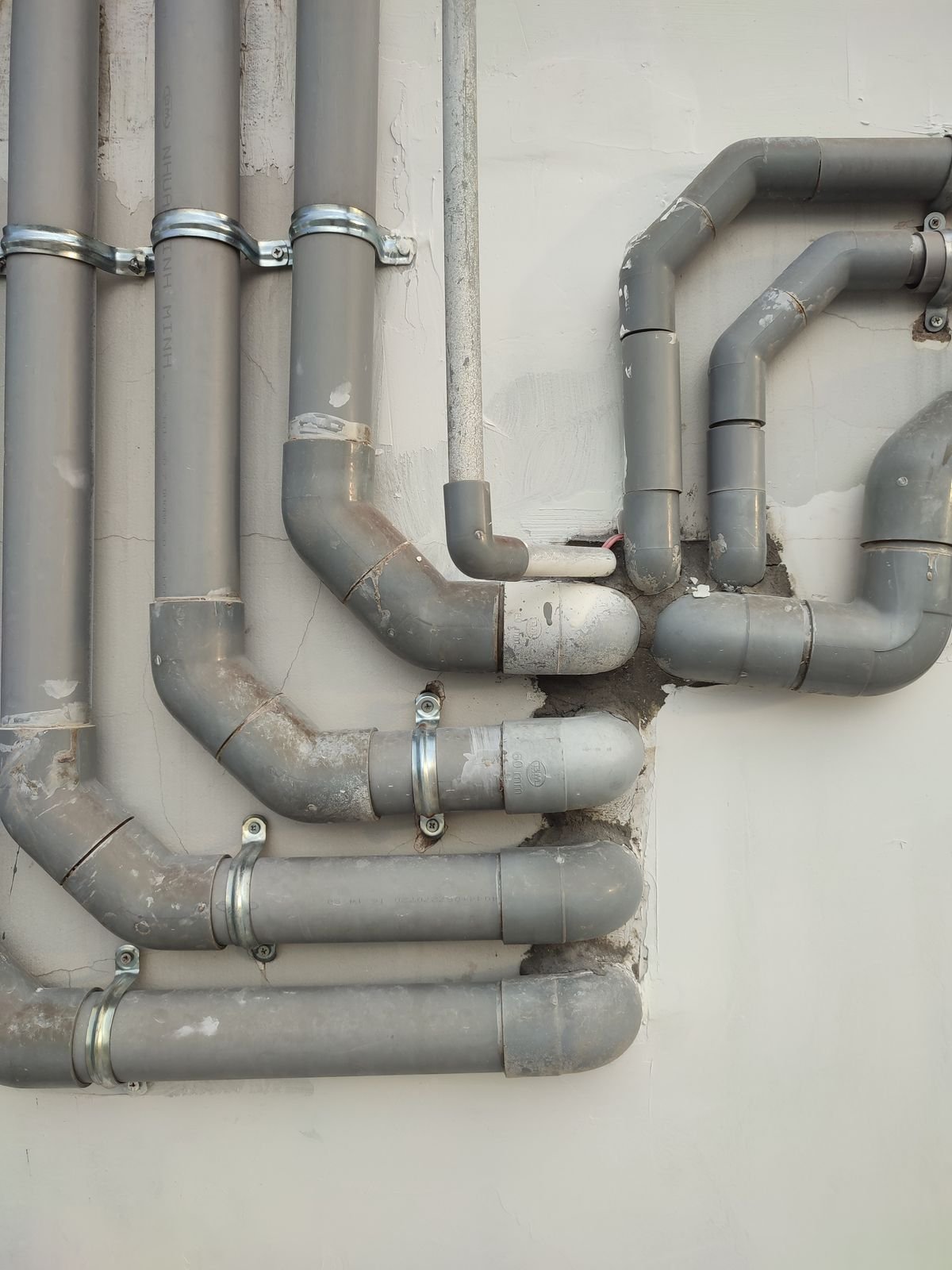
Most repipes happen because of what is in the walls, not because something failed. Three materials mean the job is a matter of when, not whether:
- Lead. A health issue, full stop. Replacement is not a budgeting decision.
- Polybutylene — grey plastic pipe, common in homes built roughly 1978–1995. It degrades from the inside and fails without warning. Many insurers will not cover a house that still has it, and buyers’ inspectors flag it immediately.
- Galvanised steel. Corrodes internally, which is why the water runs rusty and the pressure drops over the years. The narrowing is inside the pipe, so it cannot be cleaned out.
Other signs worth acting on: repeated pinhole leaks in copper (once you get one you generally get more), a steady decline in pressure across the whole house, or discoloured water that clears after running the tap.
If you have polybutylene, the honest framing is that this is not a renovation — it is remediation, and it tends to pay for itself at sale rather than showing up as an upgrade. Same category as an old Federal Pacific electrical panel.
What is not in the plumbing quote
| Item | Cost |
|---|---|
| Drywall repair | $300 – $900+ |
| Permit | $50 – $500 |
| Inspection / reinspection | $25 – $150 |
| Water main replacement | $600 – $2,500 |
| New water heater | $850 – $1,750 |
Drywall is the one to pin down before work starts. Some plumbers patch and leave it ready for paint; some close the holes roughly; some leave open walls entirely and expect you to find a drywall contractor. All three are legitimate ways to quote, and they produce very different final bills. Ask explicitly: does your price include closing and finishing the walls, and to what standard?
Since walls are open anyway, this is also the cheapest moment you will ever get to run new electrical circuits, add a bathroom fan, or move a fixture. If any of that is on your list for the next few years, do it now.
The bottom line
Budget $7,500 for a typical whole-house repipe, or count your fixtures and multiply by $1,200. Choose PEX unless you have a specific reason not to — the saving is in the labour, not the pipe.
And get the drywall question answered in writing. It is the difference between a finished house and a house with holes in it that is technically complete.
If the water heater is going at the same time, the tank versus tankless maths is here. For a job this size, home equity loans against HELOCs is the comparison worth reading.
If you are on a well rather than mains, the pump and pressure tank are part of the same system — see well drilling costs in 2026.
Working out your own number? Our free renovation cost calculator gives you the range for your size and area in about ten seconds.