The figure quoted almost everywhere for an inground pool in 2026 is about $65,909 — Angi’s national average, inside a typical range of $44,499 to $87,349. HomeGuide lands a little lower at roughly $62,500. Both are honest averages and both are close to useless on their own, because an inground pool is not one product. A vinyl-liner pool and a poured-concrete pool are as different as a carport and a garage, and they sit at opposite ends of that range.
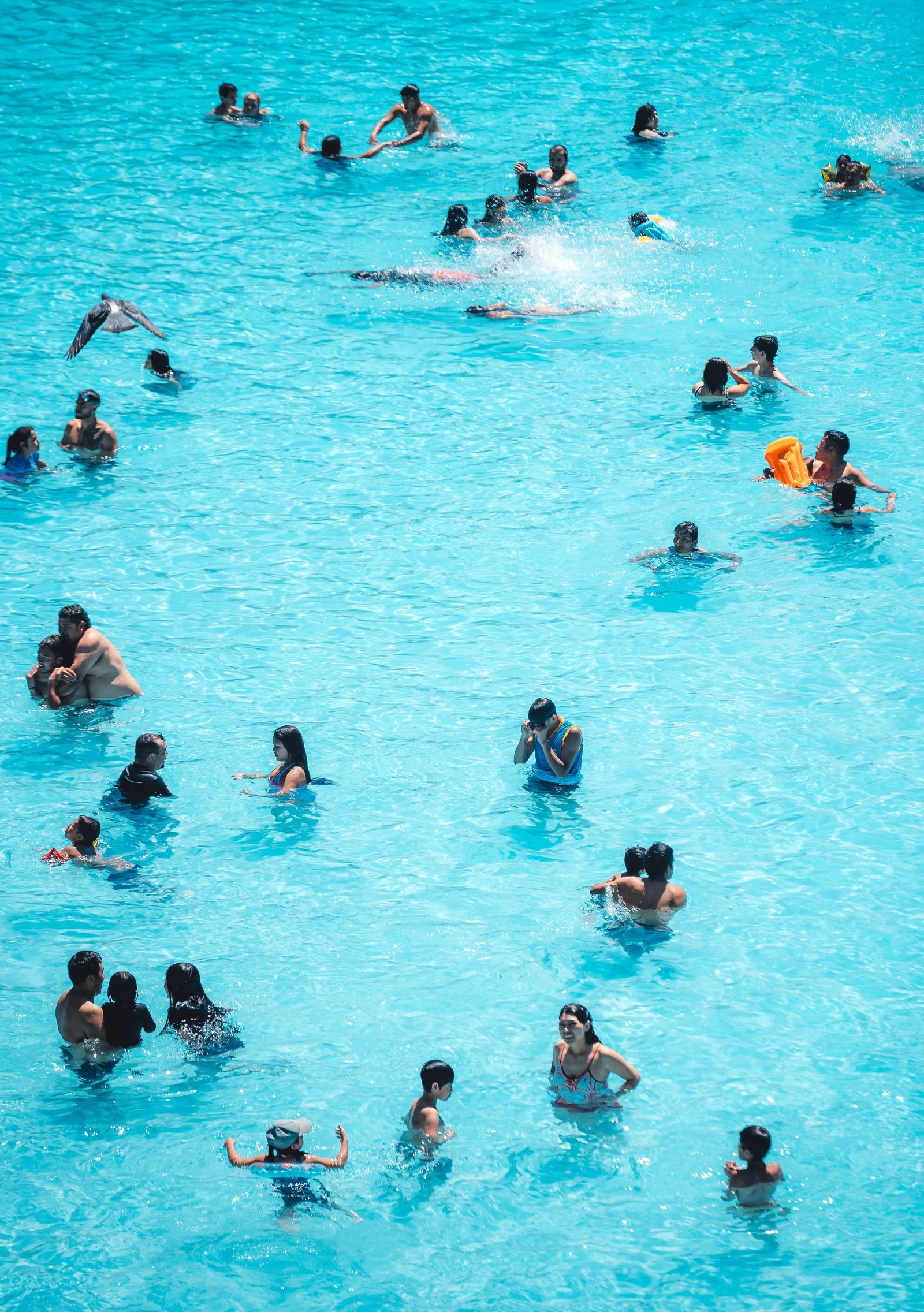
What each pool type actually costs
| Shell type | Typical installed cost | What that buys you |
|---|---|---|
| Vinyl liner | $25,000 – $75,000 | Cheapest way in. Liner replacement every 7–10 years at roughly $4,000–$5,000 a time. |
| Fibreglass | $45,000 – $100,000 | One-piece shell, fastest install, lowest chemical bill. Shape and size limited to what fits on a truck. |
| Concrete / gunite | $50,000 – $120,000 | Any shape you want. Highest chemical and resurfacing cost over its life. |
Two line items move the total more than the shell choice does. Excavation can reach 50% of the build when the site fights back — rock, a high water table, a slope, or an access gap too narrow for anything bigger than a mini-digger. And labour is 25–50% of the whole job, which is why the identical pool costs meaningfully more in a high-wage metro than in a rural county.
The bill that never stops
Budgeting for the install and stopping there is the most common mistake people make. Running an inground pool costs $3,000 to $6,000 a year once you add electricity, water, opening and closing, and repairs. Chemicals alone split sharply by shell type: roughly $175 a year for fibreglass, $400 for vinyl, $750 for concrete. Over fifteen years that gap approaches $9,000 — enough to matter when you are choosing between a fibreglass shell and a gunite one.
Insurance moves less than people expect: adding a pool typically raises a homeowners premium by around $50 a year. The bigger insurance question is the limit, not the premium. Standard policies carry $100,000 of personal liability. With a pool on the property, $500,000 is the number most agents will steer you toward, and it is worth taking.
The fence is not optional
Under the 2024 IRC and the International Swimming Pool and Spa Code, a residential inground pool needs a barrier: at least 48 inches high, with a self-closing and self-latching gate, and no gap a 4-inch sphere can pass through. Your local jurisdiction may go further. Permits run $100 to $1,800 depending on the municipality. Builders quote the barrier separately often enough that you should ask outright whether the number in front of you includes a code-compliant fence — it is a four-figure surprise otherwise.
Does it add value? The sources genuinely disagree
We have to be straight with you here: pools are not in the Remodeling Cost vs. Value report, so there is no consistent, comparable resale figure the way there is for a kitchen or a roof. What exists instead is a spread of estimates that contradict one another. Bankrate puts the value added at around 7%. Fixr says a pool “does not reliably add value.” Angi quotes 5% to 56%, which is another way of saying it depends entirely on your climate and your street.
The honest reading: in Phoenix or Tampa, where a pool is close to expected on a certain class of house, it is neutral-to-positive. In a cold-winter market it is frequently a negative for the share of buyers who see maintenance and a drowning risk rather than a feature. Build a pool because you will swim in it. Do not build one as an investment.
How to read a pool quote
- Ask what the excavation allowance is, and what happens if they hit rock. This is the number that blows budgets.
- Check whether decking, fencing and landscaping are in or out. Usually out.
- Get the annual chemical and energy estimate for that specific shell type in writing.
- Confirm the barrier spec matches your local code, not just the model code.
- Ask when the liner or resurfacing comes due and what it will cost then.
Working out your own number? Start with the shell type, add 30–50% for everything around it, then add $3,000–$6,000 a year for as long as you plan to own the house.