Cost to Convert a Garage Into a Room in 2026
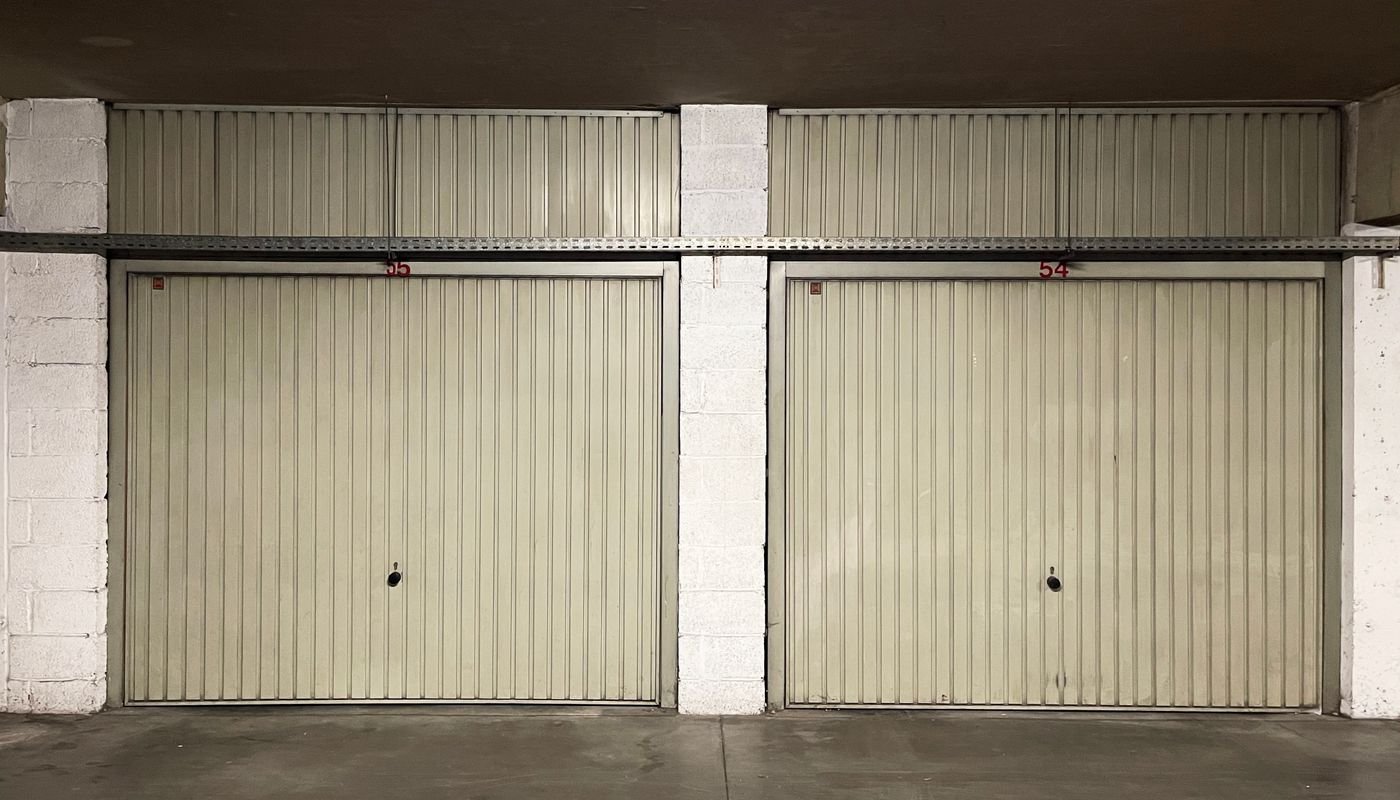
Averages $16,474 and returns about 80% — the cheapest square footage you can add. Cost by room type, and the four things missing from most quotes, starting with the sloped floor.
Renolyst
Loading Ali Raza
Averages $16,474 and returns about 80% — the cheapest square footage you can add. Cost by room type, and the four things missing from most quotes, starting with the sloped floor.

$3,000 to $12,000, and about 60% back at resale. Why one question about the drain explains most of the price difference between bids — and the single situation where you should not do it.
Gapping, peaking, denting, telegraphing and water underneath — the seven real complaints about LVP, what causes each, and why almost every one traces back to installation rather than the product.
A 5×8 bathroom runs $4,000 to $18,000 — a fifth the size of a kitchen at a third the cost. Why small costs more per square foot, line-item pricing, and what actually makes 40 sq ft feel bigger.
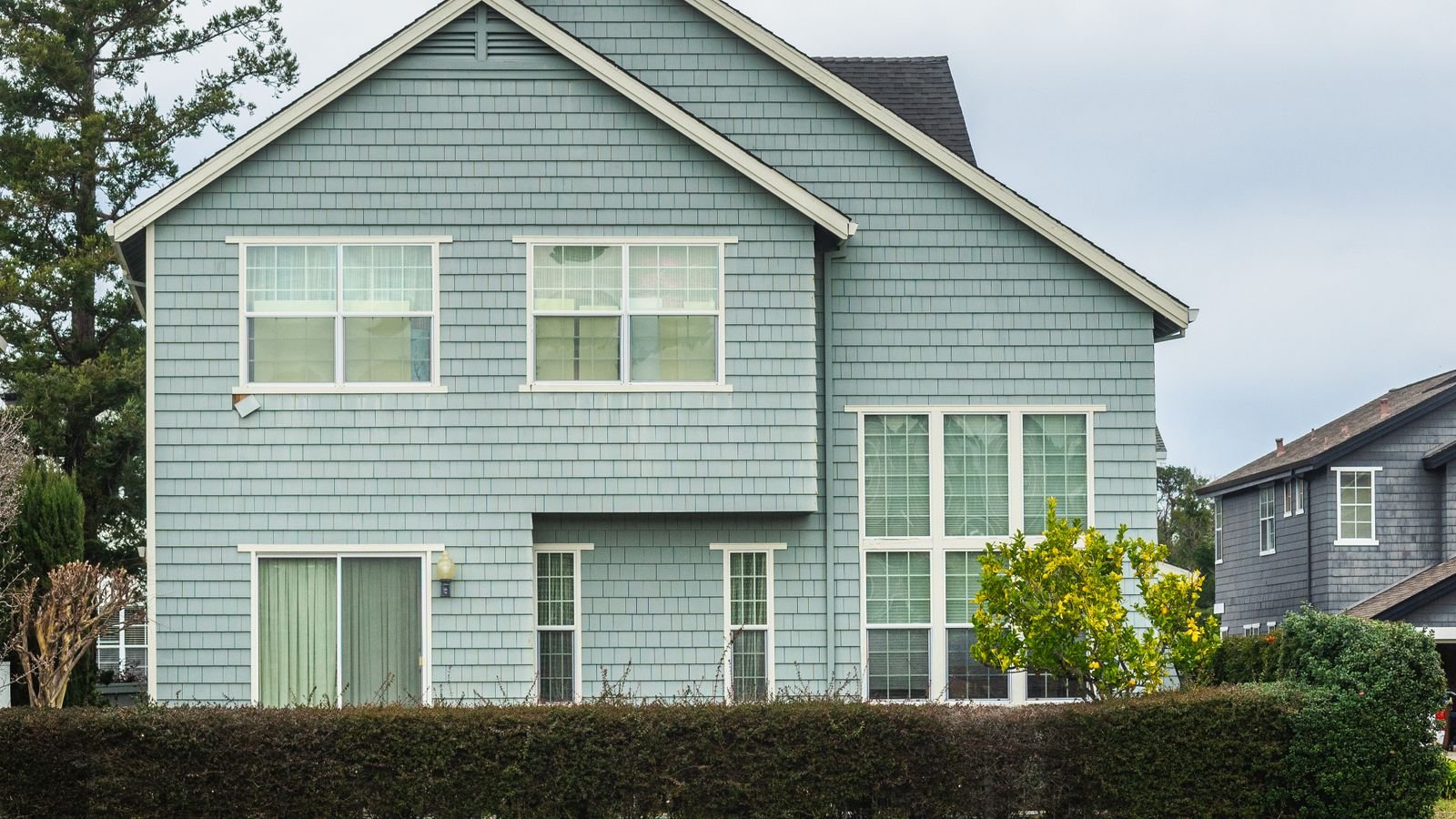
Fiber cement averages $14,893 installed and returns about 80% at resale — the best payback in home improvement. Cost by house size and style, plus the rotted-sheathing bill that is never on the quote.
0% cards, personal loans, HELOCs, home equity loans and cash-out refinance — rates, closing costs and risk side by side, plus the refinance mistake that turns a $60,000 loan into a very expensive one.
The federal residential solar credit hit 0% on January 1, 2026 — no phase-down. Payback by state, why New Jersey beats Texas, and how to tell which side of the line you are on.
Asphalt runs ~$10,500, metal ~$22,000, and metal lasts three times longer. That math only wins if you stay 50 years — here is the comparison done for how long people actually own homes.
They look identical and cost about the same. One is waterproof, the other is water-resistant — and that single word decides which rooms each belongs in. Full 2026 cost and spec comparison.
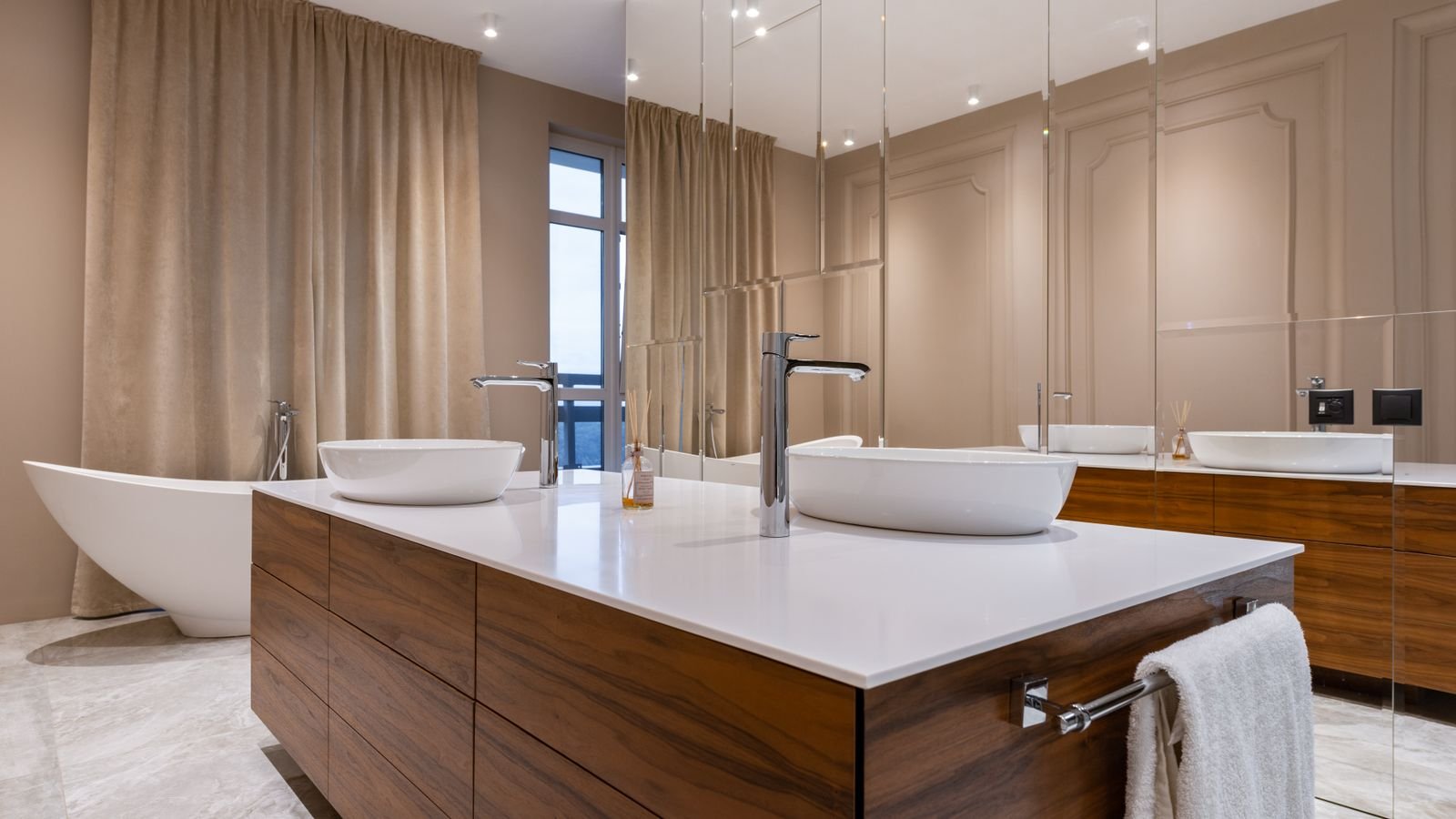
The average 2026 bathroom remodel was $12,147, but the real range is $2,500 to $30,000. What each budget tier buys, why labor eats 40-65% of it, and the one question that decides your price.